Don’t come to Japan at the wrong time.
If you’re planning your first trip, you probably want to avoid the worst crowds, miserable weather, and those peak travel periods when everything feels packed, rushed, and more expensive than it should be.
But here’s the problem.
Japan is one of those countries where every season looks amazing.
Spring has cherry blossoms.
Summer has festivals and fireworks.
Autumn has red leaves and cool weather.
Winter has snow, hot springs, and illuminations.
So even if you know you want to avoid the bad timing, it gets really hard to decide when you should actually come.
That’s exactly what this video is for.
In this blog, I’m going to break down
the busiest times to visit Japan,
the times many people should avoid,
the hidden good points of those seasons,
And the periods I personally recommend, especially if this is your first trip.
And if you’ve already been to Japan, tell me in the comments:
When did you go, and how was it really?
Let’s dive into it.
THE SINGLE BIGGEST MISTAKE FIRST-TIME VISITORS MAKE
The biggest mistake first-time visitors make is choosing a season based only on beautiful images.
They see cherry blossoms, autumn leaves, summer festivals, snowy villages… and think,
“Okay, I want all of that in one trip.”
But Japan doesn’t really work like that.
If you’re doing the Golden Route—Tokyo, Kyoto, Osaka, maybe Nara and Hakone—then honestly, some level of crowding is almost unavoidable now, especially at famous places.
And that means you need to be realistic.
Don’t ask,
“How can I see absolutely everything with no crowds?”
Ask instead,
“What do I care about most on this trip?”
Because if you try to chase every seasonal highlight at once, you often end up paying more, standing in more lines, and enjoying less.
I really believe that one trip to Japan is usually not enough.
Most people come once… and then immediately want to come back.
So it’s smarter to choose the timing for this trip, and leave some experiences for the next one.
That mindset makes planning much easier.
THE MOST CROWDED TIMES IN JAPAN, AND WHY
Let’s start with the periods that are most likely to feel crowded.
Late March to Early April — Cherry Blossom Season
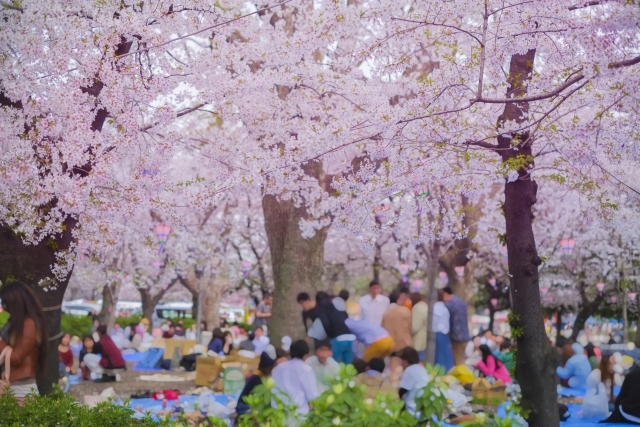
For many first-time visitors, this is the dream.
And I get it.
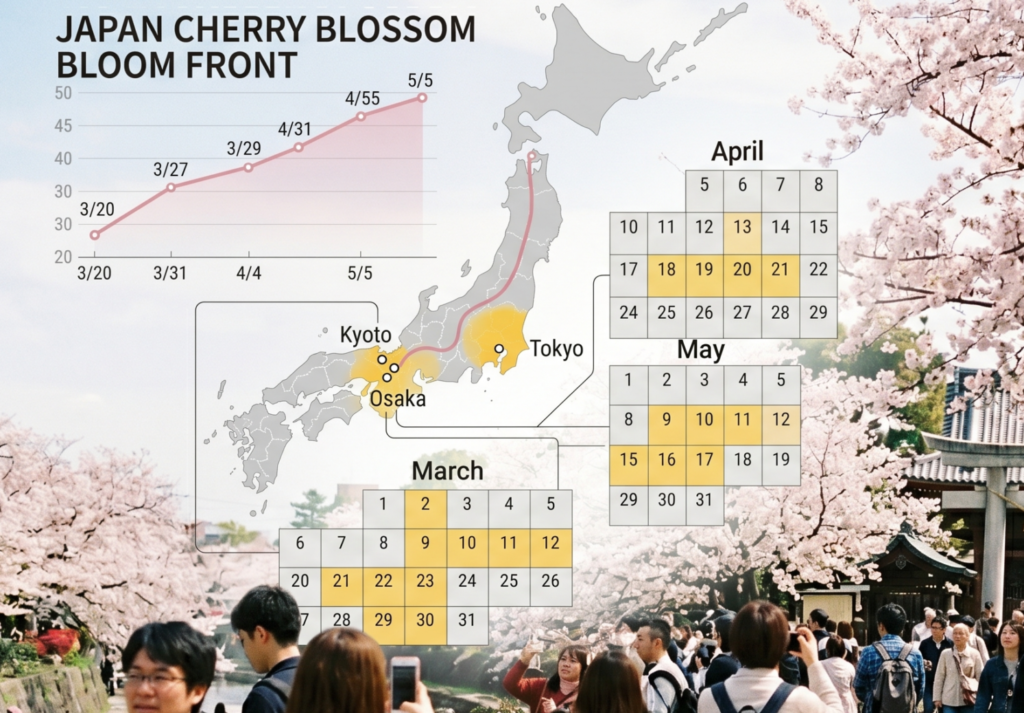
Cherry blossom season is beautiful, iconic, and deeply tied to the image of Japan. Sakura bloom moves across Japan from the latter half of March to as late as early May, depending on the region. On the Golden Route, that usually means the main rush is around late March to early April.
So why is it crowded?
Because it’s not just tourists.
Locals also go out to parks, riversides, castles, and famous viewing spots for hanami. On top of that, Japanese school spring vacation typically runs from around March 25 to around April 5, which means family movement also overlaps with this season.
And in places like Kyoto, that pressure shows up not just at attractions, but also on public transportation. Kyoto’s official tourism guidance says that the concentration of visitors in major sightseeing areas has caused overcrowded public transportation and inconvenience for nearby residents.
So is cherry blossom season worth it?
Yes—if Sakura is a major dream for you.
But if your main goal is a relaxed first trip with flexibility, this is not the easiest time.
The good side is obvious:
Japan looks magical.
The downside is also obvious:
Everyone else knows that too.
Golden Week — Late April to Early May
If you remember only one thing from this video, remember this:
Golden Week is one of the hardest times for a beginner’s trip.
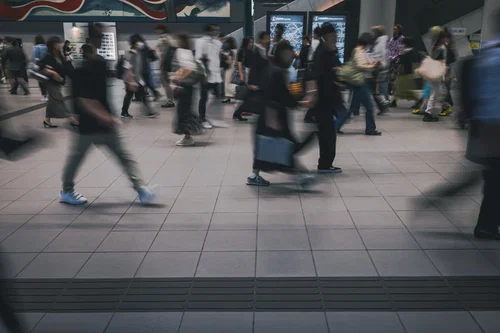
This is one of Japan’s busiest travel periods, with packed trains and hotels being the norm.
The reason why it’s crowded is a domestic travel explosion.
A lot of Japanese people are off work at the same time. Families travel. People visit relatives. Popular domestic destinations fill up. Highways get busy. Trains get booked. Theme parks, famous sightseeing districts, and resort areas all feel the pressure.
So if you visit during Golden Week, you are not only competing with foreign tourists.
You’re competing with Japan while traveling inside Japan.
And from a local perspective, this is exactly why it can feel exhausting.
Even residents who don’t travel far often know certain areas become too crowded to enjoy normally.
Now, to be fair, Golden Week is not all bad.
The weather is usually pleasant.
It’s festive.
Children’s Day decorations like koinobori can be seen around the country.
But for a first-time visitor who wants an easy, efficient, flexible trip?
This is one of the clearest “don’t come at this time” windows.
Mid-August — Obon Season
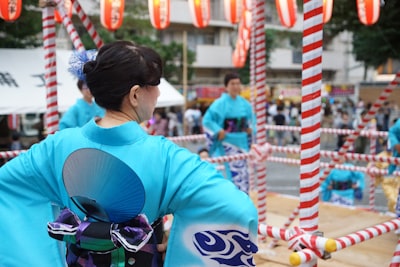
Next is Obon, usually around mid-August.
Obon is a traditional family holiday when many people travel back to their hometowns and is included among Japan’s three major holiday seasons when domestic travel peaks.
Again, that matters because it’s not only about sightseeing.
This is another period when locals are moving too.
People go home. Families gather. Transport gets busy. Accommodations fill up in some areas.
And Obon overlaps with another issue:
Japan in August can be brutally uncomfortable.
Eastern and western Japan have hot and humid summers, and western Japan can reach 35°C or above.
That’s why I usually do not recommend mid-August to first-time visitors unless they have a very specific reason to come.
Now, the hidden good point?
Summer in Japan can be incredibly exciting.
Summer is the season for fireworks and traditional festivals, including major events like Gion Matsuri in Kyoto and Aomori Nebuta Festival, along with hundreds of summer festivals across June, July, and August.
So if your dream is matsuri, hanabi, and that intense summer energy, I understand the appeal.
Just know that August asks a lot from you physically.
Mid-November to Early December — Autumn Leaves Peak
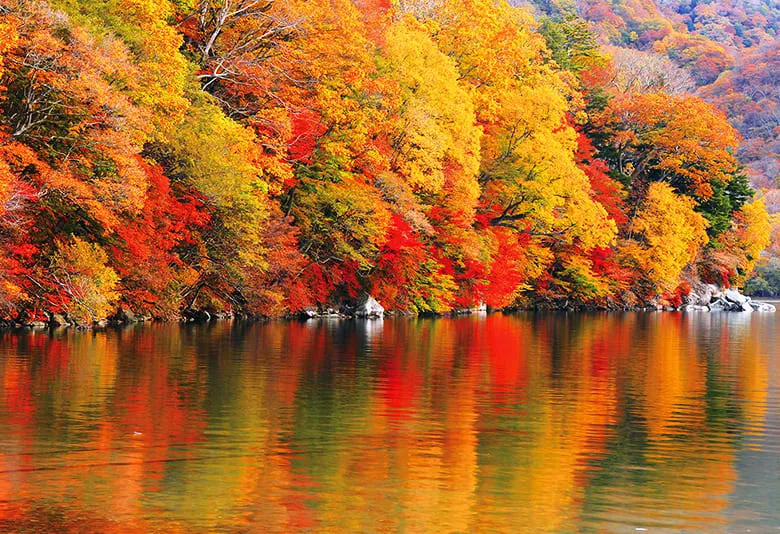
Autumn is often the most universally easy season to love.
It’s attractive because of the combination of cool weather and striking sights, and the trees turn vivid red, orange, and yellow from mid-November to early December.
That sounds amazing because… it is.
And that’s exactly why it gets crowded.
This time, the crowd is often a mix of international visitors, domestic travelers, photographers, day-trippers, and weekend visitors.
Autumn may feel calmer than sakura season, but at famous leaf spots in Kyoto, Nikko, Hakone, or temple areas, it can still be extremely busy.
So if someone tells you,
“Just come in autumn; it’s perfect.”
I would say:
“Yes, but not always peaceful.”
Autumn is one of the best seasons in Japan.
It is not one of the least crowded.
🗺️ Need Turnkey Routes & 1-Tap Google Maps Pins?
Check out our complete 119-page handbook crafted by a Tokyo native—featuring 5-day itineraries and offline navigation.
See What’s Inside the Guidebook →Late December to Early January — New Year
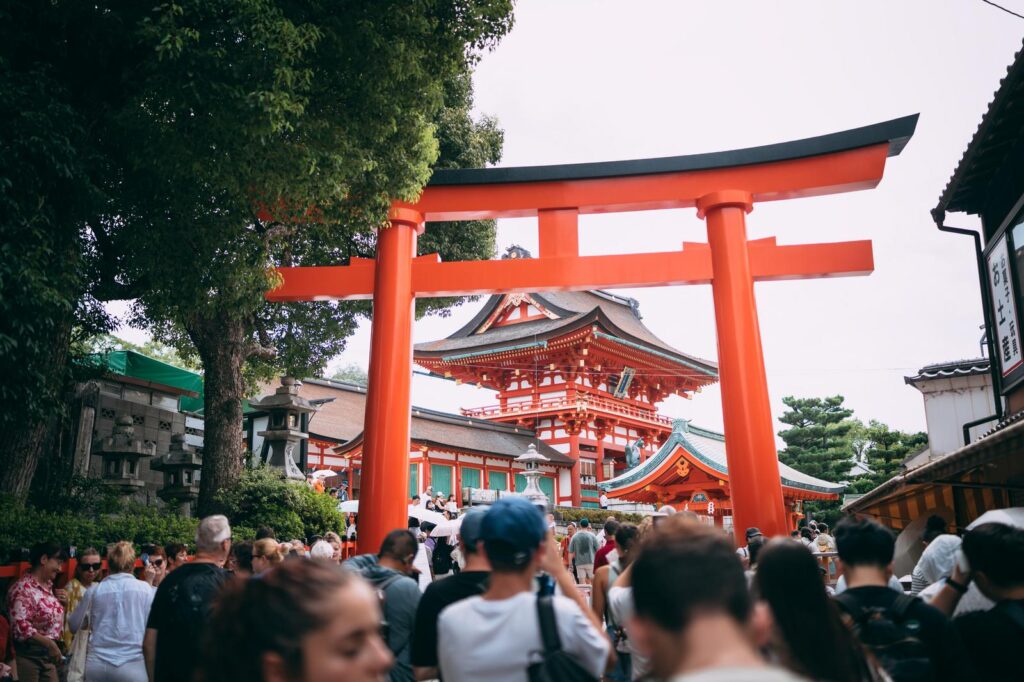
This one surprises a lot of beginners.
People think winter means quiet travel.
Sometimes yes—but not around New Year.
From late December to early January is one of Japan’s major holiday seasons, and many businesses close for several days. It also notes that shrines and temples become extremely busy during the year-end and New Year period.
So why is this tricky?
Because the New Year in Japan is deeply cultural.
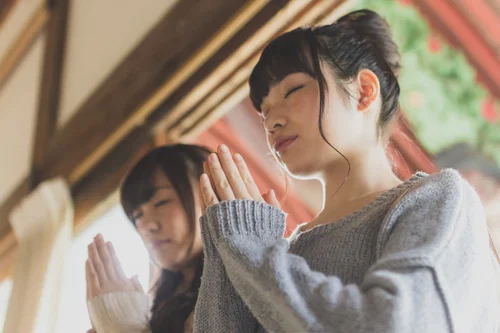
People visit shrines and temples for hatsumode, spend time with family, and many businesses reduce hours or close.
That means the atmosphere is special—but for a first-time visitor, it can also mean:
fewer dining options, limited access to some attractions, crowded shrine areas, and less flexibility than expected.
The hidden good point is that the New Year in Japan feels very authentic and meaningful.
But as a general beginner recommendation?
I’d avoid the very end of December through the first few days of January.
THE TIMES PEOPLE SAY TO AVOID… BUT THAT SECRETLY HAVE UPSIDES
Now let’s talk about the “bad” seasons that aren’t always bad.
June — Rainy Season
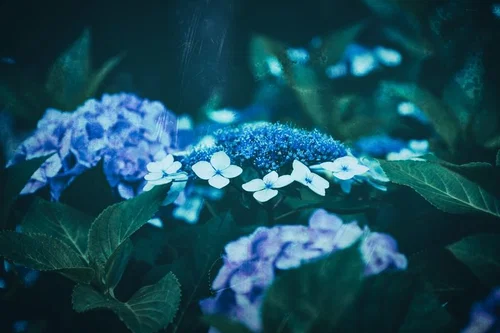
Japan’s rainy season, or tsuyu, is a real thing.
The Japan Meteorological Agency describes baiu as a seasonal phenomenon with more rain and less sunshine than the surrounding periods.
So yes, June can be wet, gray, and annoying if your dream trip is pure blue skies.
But here’s the hidden upside:
For many destinations, crowds are lighter than in peak sakura or peak autumn periods.
And hydrangeas bloom during the rainy season, which gives this time of year its own beauty.
From a local perspective, June is one of those seasons that many foreign visitors skip, but it can actually be peaceful and very atmospheric—especially if you like gardens, temples, quieter neighborhoods, cafés, and moody scenery.
Would I recommend June to someone who hates rain?
No.
Would I recommend it to a repeat visitor who wants fewer crowds and doesn’t mind carrying an umbrella?
Absolutely.
July and August — Summer Heat
Let me be blunt.
If you are sensitive to heat, don’t come to central Japan in peak summer, thinking it will be fine.
Much of Japan is hot and humid in summer, with western Japan sometimes reaching 35°C or above.
And local daily life doesn’t stop just because it’s hot.
People still commute, stations still feel busy, and cities like Tokyo, Osaka, and Kyoto can feel draining very quickly.
Also, Japanese school summer vacation typically runs from around July 20 to August 31, so crowding from families can rise as summer progresses.
That said, summer gives you things no other season can.
Festivals.
Fireworks.
Night markets.
Summer traditions.
High-energy street scenes.
So for some travelers, summer is still worth it.
But for beginners who want comfort, efficient sightseeing, and long walking days in big cities?
This is usually not my first recommendation.
September — Better, But Watch the Weather
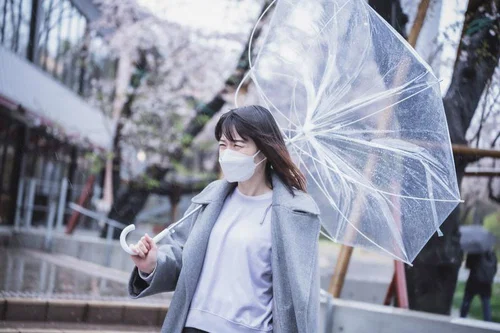
September is one of those in-between months.
It starts improving compared with August, but you still need to watch weather conditions carefully.
Many typhoons form in August, and from September onward, their tracks often curve toward Japan.
So September can be a gamble.
You might get lower crowds than top peak seasons and more comfortable days than August.
Or you might get rain disruptions and unstable weather.
If your schedule is fixed and this is your first trip, September is not impossible—but it’s not the safest choice if you hate uncertainty.
WHEN I PERSONALLY RECOMMEND COMING TO JAPAN
So when do I recommend?
For first-time visitors doing the Golden Route
If this is your first Japan trip and you plan to do Tokyo, Kyoto, Osaka, maybe Nara or Hakone, my honest advice is this:
Choose comfort and efficiency first.
That means my favorite windows are:
- after Golden Week through late May
- parts of October
- mid-December
- and after the New Year holidays have ended
Why late May?
Because the calmer second half of May is better for traveling and is a good chance to see Japan before the rainy season in June.
That’s a very strong beginner window.
You avoid Golden Week.
You usually get comfortable weather.
You still get spring energy.
And the trip is simply easier.
October is another strong all-round choice in my opinion.
It usually gives you manageable weather before the major autumn leaf rush really peaks.
Mid-December is also underrated.
Many winter illuminations are displayed from late autumn until the end of the year, and some visitors can enjoy them from early November through December.
So mid-December can give you crisp air, seasonal lights, festive atmosphere, and often fewer crowds than late November leaf season or New Year itself.
And then there’s just after New Year—once the major holiday period ends.
That’s one of my favorite low-key picks for repeat travelers and even some first-timers who don’t mind cold weather.
IF YOU WANT SOMETHING SPECIFIC, ACCEPT THE TRADE-OFF
Now let’s make this simple.
If you are a beginner and you absolutely want one of Japan’s most iconic seasonal experiences, then yes—you may need to accept crowds.
If you want cherry blossoms, you’ll probably need to accept late March or early April crowds.
If you want autumn leaves, you may need to accept mid-November to early December crowds.
If you want winter sports, then January and February make sense—but ski areas and snow destinations will have their own busy periods.
That’s normal.
The key is not to avoid every crowd.
The key is to choose the crowd that is actually worth it to you.
What I don’t recommend is coming in a peak season without caring about that season’s main attraction.
For example:
If you don’t deeply care about sakura, don’t come during sakura just because Instagram told you to.
If you don’t love intense summer festivals, don’t come in August and suffer through the heat.
If you don’t care about New Year culture, don’t come during major closures.
Choose your pain carefully.
That’s the real strategy.
QUICK MONTH-BY-MONTH GUIDE
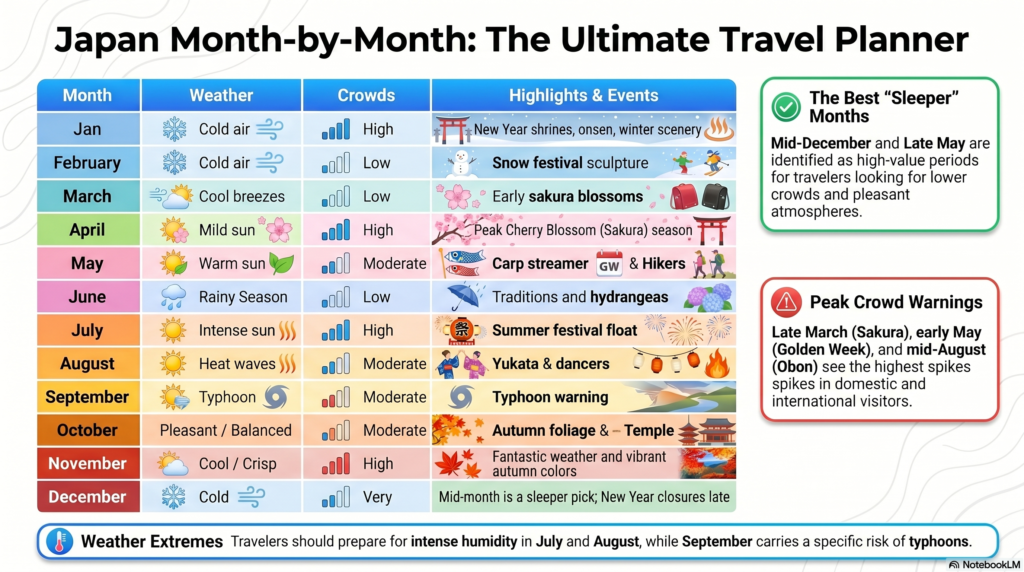
So here’s the quick version.
January:
Avoid the very beginning because of New Year closures and shrine crowds, but after that, it can be pleasantly quiet in cities. Great for winter vibes and onsen.
February:
Cold, but good for snow festivals and winter sports. One of the better low-crowd months outside ski hotspots.
March:
Early March is easier. Late March starts getting busy with sakura and spring break.
April:
Beautiful, famous, and crowded. Great if blossoms are your priority.
May:
Avoid Golden Week. After that, late May is one of the best beginner-friendly periods.
June:
Rainy season. Not ideal for sunshine lovers, but calmer and more atmospheric, with hydrangea season as a bonus.
July:
Festivals start getting exciting, but heat and humidity become serious.
August:
Very hot, humid, and crowded around Obon. Great for matsuri fans, tough for comfort travelers.
September:
Potentially better, but still watch the typhoon risk.
October:
One of the most balanced months overall, especially before peak foliage crowds.
November:
Fantastic weather and autumn color, but famous spots get busy.
December:
Mid-December is a sleeper pick. Late December gets complicated again because of the New Year.
OUTRO
So, when should you come to Japan?
My honest answer is:
Don’t choose the most famous season by default.
Choose the season that fits you.
If you want the classic postcard Japan, go for sakura or autumn leaves and accept the crowds.
If you want a smoother first trip, aim for late May, parts of October, or mid-December.
And if this is your second trip or later, that’s when I think you can really enjoy the underrated windows—
just after New Year, rainy season, after the autumn leaves peak, and before the year-end rush.
And one last thing.
If you’re doing the Golden Route, some crowds are unavoidable now.
So it’s better to narrow your focus instead of trying to do everything.
Because honestly?
I think one trip to Japan is never enough.
You’ll probably want to come back anyway.
So don’t try to win Japan in one visit.
Just make your first trip a good one.
And if you’ve already traveled to Japan, tell me in the comments:
When did you go, and would you recommend that timing to a first-time visitor?
Thank you for reading until the end.
See you in the next one!


Comments