Let’s be honest: One of the biggest reasons you’re coming to Japan is the food, right?
But I know what you’re thinking:
‘How do I even find the real local spots?’,
‘Can I just walk in and sit anywhere?’,
‘What is this mysterious dish on my bill that I didn’t order?’
If you don’t know the rules, you might feel like an outsider, or worse—you might accidentally be rude to the hardworking staff.
Imagine this: You walk into a quiet sushi shop, sit at the counter with your shoes on, and shout for the bill… everyone stares, and it’s super awkward.
But now, imagine this instead: You walk in with a polite ‘Sumimasen,’ understand the ‘Otoshi’ culture, and say ‘Gochisousama’ at the end. The chef smiles, gives you a thumbs up, and you feel like a local regular.
In this blog, I’ll walk you through everything—from finding a table to paying the bill. This is your masterclass on Japanese dining etiquette. Let’s get started!
- Finding the Right Spot (The 3.5 Star Rule)
- Entering the Shop: The Ritual
- The “Omotenashi” Basics: Water and Oshibori
- The Mystery of “Otoshi” (Table Charge)
- Ordering: Getting Attention
- Dining Etiquette: Chopsticks and Bowls
- Drink Culture: Never Pour Your Own!
- Paying the Bill: No Tipping!
- Special Tip: Trash and Convenience Stores
- Conclusion: The Joy of Eating in Japan
Finding the Right Spot (The 3.5 Star Rule)

First: Finding a restaurant. Most travelers use Google Maps, and that’s fine. But if you want to eat like a Japanese person, use Tabelog.
[Deep Dive: The Strict Rating Culture]
In the West, 4 stars is ‘average.’ In Japan, a 3.5 rating on Tabelog is actually excellent. Japanese reviewers are very strict. If you find a place with a 3.5 or 3.8, it’s probably world-class. Don’t look for 5 stars—you won’t find many!
10 Best Apps for Your First Trip to Japan



Entering the Shop: The Ritual
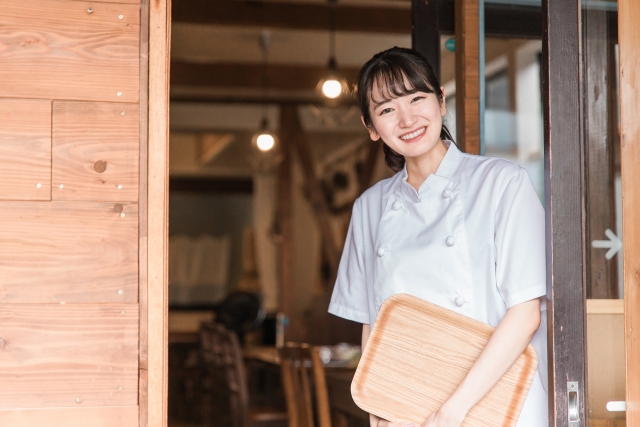
When you enter, don’t just sit down. Wait at the entrance. The staff will ask ‘Nan-mei sama desuka?’ (How many people?).
[QUIZ TIME!]
The staff holds up two fingers and says a word. How do you say ‘Two people’ in Japanese?
A. Two please.
B. Ni-nin.
C. Futari.
The answer is C! Futari.
1 person is ‘Hitori,’ 2 is ‘Futari.’ Using these words will make the staff much more relaxed!
The “Omotenashi” Basics: Water and Oshibori
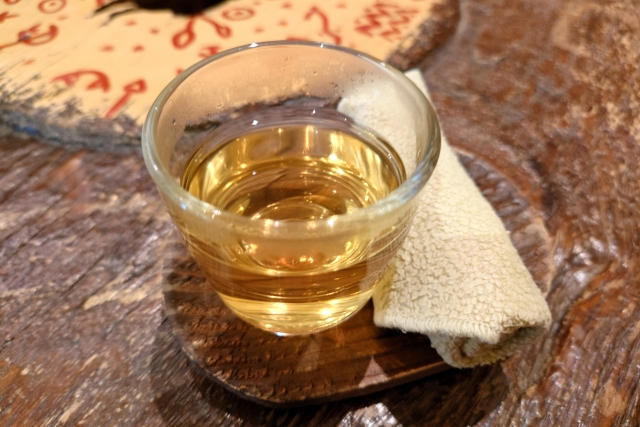
Once you sit down, you’ll notice two things immediately.
- Free Water or Tea: In Japan, water is almost always free and unlimited. You don’t need to order ‘still or sparkling.’
- Oshibori: A wet towel. The Rule: Use it only for your hands. Don’t wipe your face or the table with it! It’s a small detail, but it shows you have great manners.
The Mystery of “Otoshi” (Table Charge)
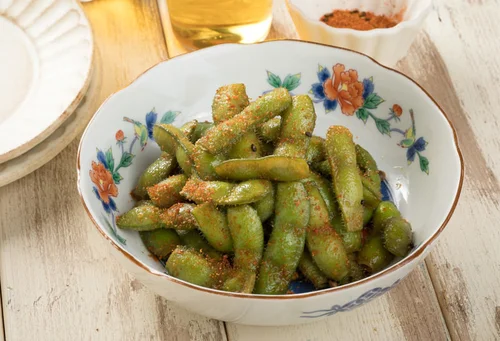
Now, at an Izakaya (Japanese pub), a small dish will appear before you order. This is Otoshi.
[Deep Dive: The ‘Welcome’ Fee]
Many travelers get angry when they see this on the bill. But in Japan, this is the ‘Table Charge.’ It covers the cost of the seat and the service. Instead of a ‘service fee’ at the end, it’s a ‘snack fee’ at the beginning. It’s a part of the culture, so please enjoy it as your appetizer!
Ordering: Getting Attention
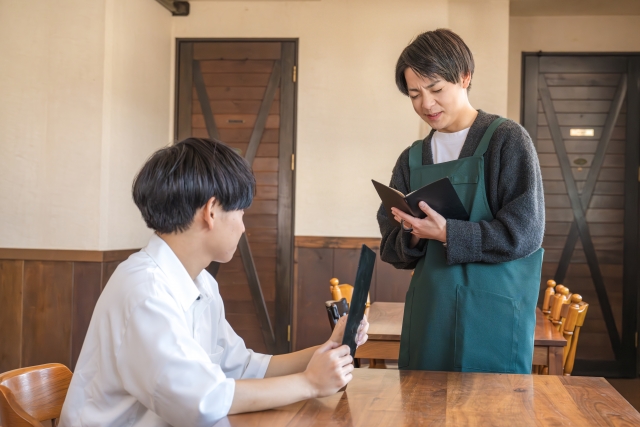
How do you call the waiter? Don’t wave your hands frantically.
The Secret: Look for a button on the table. If there isn’t one, raise your hand slightly and say ‘Sumimasen!’ clearly.
[QUIZ TIME!]
You want to know what the chef likes today. What do you ask?
A. What is good?
B. Osusume wa nandesuka?
C. Menu, please.
The answer is B!
Asking for the ‘Osusume’ (Recommendation) is the best way to get the freshest food of the day.
Dining Etiquette: Chopsticks and Bowls
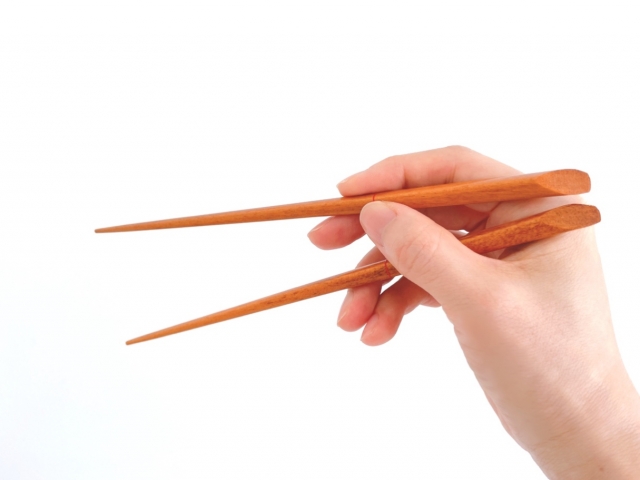
While eating, there are a few key rules to keep you looking sharp.
- Lifting the Bowl: It is perfectly polite (and encouraged!) to lift your rice or miso soup bowl to your chest while eating. It prevents dropping food.
- Slurping: When eating Ramen or Soba, slurping is GOOD! It shows the chef you are enjoying the meal and it helps cool the noodles.
- No Chopstick Passing: Never pass food from chopstick to chopstick. (It’s a funeral ritual!)
Drink Culture: Never Pour Your Own!

If you are drinking beer or sake with a friend, here is a golden rule: Never pour your own drink.
[Deep Dive: The Bond of Drinking]
In Japan, you pour for your friend, and they pour for you. This is called ‘Oshaku.’ It’s a way to show you are looking out for each other. If your friend’s glass is empty, fill it up! They will do the same for you.
[My Personal Tip: When to be strict?]
Honestly, when I’m with my close friends, we don’t worry too much about this. We just have fun! But, if I’m with my boss or someone older, I always check their glass. It’s a sign of respect.
[The Secret “Kampai” Technique]
When you make a toast—‘Kampai!’—there is a secret move. If you are drinking with someone older or a boss, try to clink your glass slightly lower than theirs.
[Why it works]
It shows you are humble and respectful. If you do this with a Japanese friend, they will be so surprised! They might say, ‘Wow, you are so Japanese!’ and it will be a great start to your friendship. Try the ‘Lower Glass Kampai’ and see their reaction!
Paying the Bill: No Tipping!
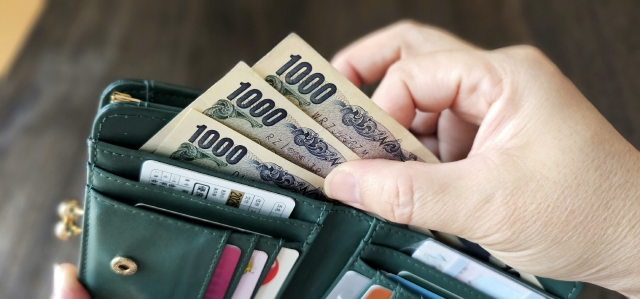
Time to pay. In most shops, you take the small bill slip from your table to the cashier near the door.
[QUIZ TIME!]
You had amazing sushi and want to leave a 1,000 yen tip. What happens?
A. The staff bows and thanks you.
B. The staff chases you to give the money back.
C. The staff gets angry.
The answer is B.
There is No Tipping in Japan. High-quality service is their pride. If you leave money, they think you forgot it! Just say ‘Gochisousama deshita’—it means ‘Thank you for the feast.’ That is the best tip you can give.
Special Tip: Trash and Convenience Stores
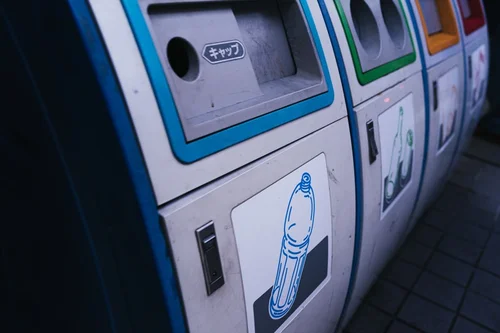
If you buy food at a convenience store (Konbini), try to eat it there or take it back to your hotel. As we discussed before, walking and eating is generally discouraged. Most Konbini have a small trash can inside the shop for their customers.
Conclusion: The Joy of Eating in Japan
Eating in Japan is more than just food; it’s an experience of respect and tradition. Don’t worry if you forget a rule—as long as you say ‘Sumimasen’ and ‘Arigatou,’ the locals will be happy to help you.
What is the one Japanese dish you are dying to try?
Happy dining, and I’ll see you in the next one! Gochisousama!“

Comments