
Let me ask you a question.
Are you planning your first trip to Japan, but feeling a little scared of the trains?
I get it. When you look at a map of the Tokyo subway, it looks like a giant bowl of colorful noodles!
You might be thinking:
‘What if I get on the wrong train and end up in the middle of nowhere?’
or
‘How do I even pay for a bus in the countryside?’
It’s completely normal to feel overwhelmed. Japan’s transport is the best in the world, but it has so many hidden rules.
But don’t worry. In this blog, I’m going to show you everything. By the time you finish reading, you will be a ‘Transport Master.’ You will be able to travel from the neon streets of Tokyo to a quiet temple in Kyoto, and even use a local bus in a mountain village, all without any stress.
Stay with me until the end, because I’m sharing the secret apps and etiquette tips that even some locals forget! Let’s master the Japanese ways of travel.”
The 3 Main Types of Trains
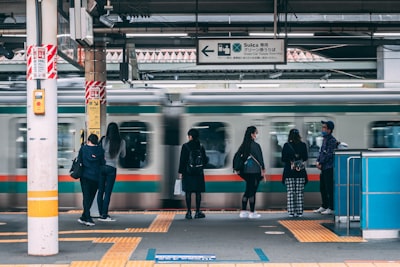
In Japan, you will see three main types: Local, Rapid, and Limited Express.
- Local (Kakueki-teisha): This train stops at every single station. It’s slow, but you’ll never miss your stop.
- Rapid (Kaisoku): This one skips some small stations. It’s faster and usually costs the same as a local train.
- Limited Express (Tokkyu): This is the fast one for long distances.
Warning: You need two tickets for this—a basic fare ticket AND a special express ticket. If you just tap your IC card and jump on, the conductor will ask you for extra money inside!
The Shinkansen (Bullet Train)
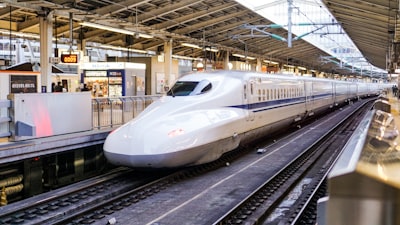
Next, the legendary Shinkansen. It’s fast, clean, and amazing.
【Quiz 1:Rule of Limited Express Train】
Imagine this: You have a Suica card. You see a cool, fast ‘Limited Express’ train. Can you jump on it with only your Suica?
The answer is NO! You need your Suica for the ‘Basic Fare,’ but you also need to buy a ‘Limited Express Ticket’ at the machine or from the conductor. Don’t forget, or you might have to pay extra on the train!”
You can buy tickets at the green ‘Midori-no-madoguchi’ windows or the touch-screen machines.
Two things to remember:
- Reserved vs. Non-reserved: A ‘Reserved Seat’ (Shiteigai) means you have a guaranteed chair. ‘Non-reserved’ (Jiyuseki) is cheaper, but you have to find an open seat.
- Oversized Baggage: If your suitcase is very large, you must book a special seat with extra space. If you don’t, you might have to pay a fine. Check the size of your bag before you buy your ticket!
IC Cards: Your Universal Key
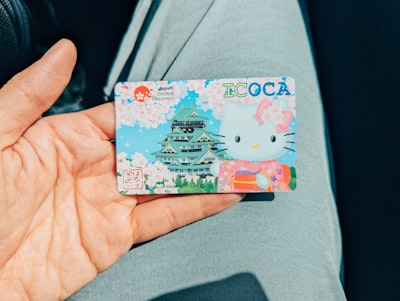
I mentioned this in my airport video, but it’s so important: Get an IC Card (Suica, PASMO, or ICOCA). You don’t need to check the price on the wall map. Just ‘Tap and Go’ at the gates.
But did you know? You can also use it to pay for:
- Drinks at vending machines.
- Coin lockers at the station.
- And even snacks at the convenience store.
If you have an iPhone, add it to your Apple Wallet. It’s the easiest way to travel!
Navigating the Subway Maze
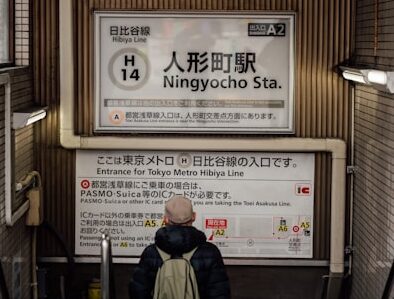
The Subway in cities like Tokyo and Osaka is huge. The secret is to look at Colors and Letters. Each line has a letter—like ‘G’ for the Ginza Line—and a color, like Orange.
Also, look for Exit Numbers. A station might have 50 exits! Google Maps will tell you ‘Go to Exit A5.’ Follow the yellow signs inside the station. If you go out the wrong exit, you might have to walk an extra 15 minutes outside!
How to Ride a Local Bus
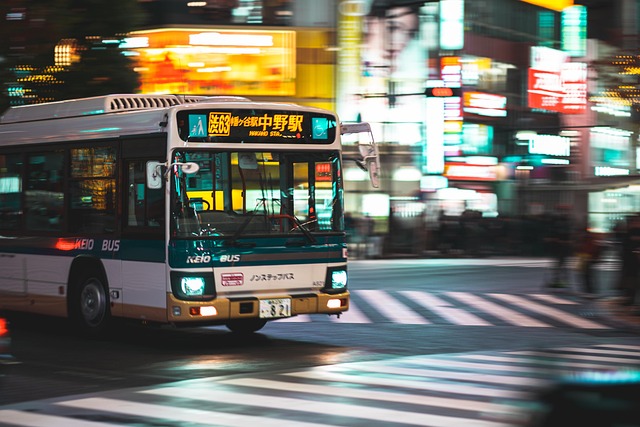
Buses are the hardest part for tourists.
【Quiz 2:Which door to enter】
You are in Kyoto, and a bus arrives. Which door should you use to enter?
The front door near the driver, or the middle door?
The answer is the middle door!
In many cities like Kyoto or Osaka, you ‘Enter from the back’ and ‘Exit from the front.’ In Tokyo, it’s often the opposite! Confusing, right? Always watch the person in front of you!
When you want to get off, press the ‘Stop’ button. Don’t worry, the screens at the front show the next stop in English!
Taxis & Ride-Sharing
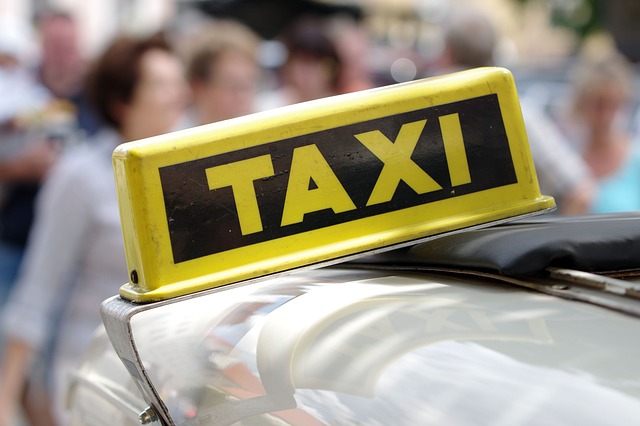
Taxis in Japan are very clean and safe.
Important Rule: The back door is automatic. Do not pull it! The driver will open and close it for you.
Uber exists in Japan, but it’s mostly for calling regular taxis. I recommend an app called ‘GO’. It’s the most popular taxi app in Japan. It’s great if you are in a quiet area and can’t find a taxi on the street.
Essential Navigation Apps

You need these three apps on your phone:
- Google Maps: Great for walking and finding platforms.
- Japan Transit Planner (Jorudan): This tells you exactly which train is the cheapest or fastest. It even tells you if your JR Pass covers the trip!
- Google Translate: Use the camera to read the bus schedules at the stop. It’s a lifesaver.
Transportation Etiquette (Manners)
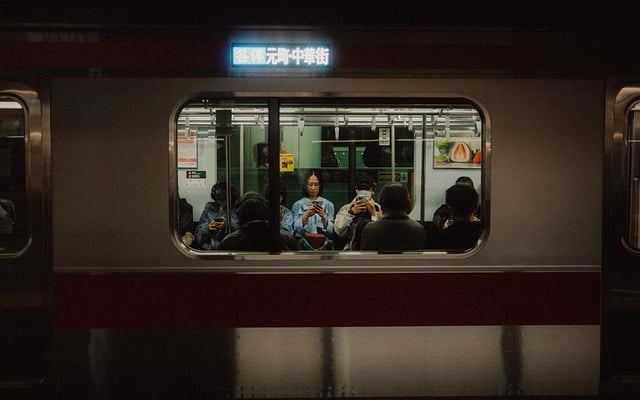
To travel like a local, you must follow the manners.
- Silence: Please don’t talk on the phone. Keep your voice low when talking to friends.
- Backpacks: On a crowded train, wear your backpack on your front or put it on the overhead rack. This gives more space to others.
- Queuing: Follow the lines on the floor. Wait for people to get off the train completely before you enter. It’s all about being polite!
Before we move on, let’s talk about special rules inside the train. This is very important for showing respect.
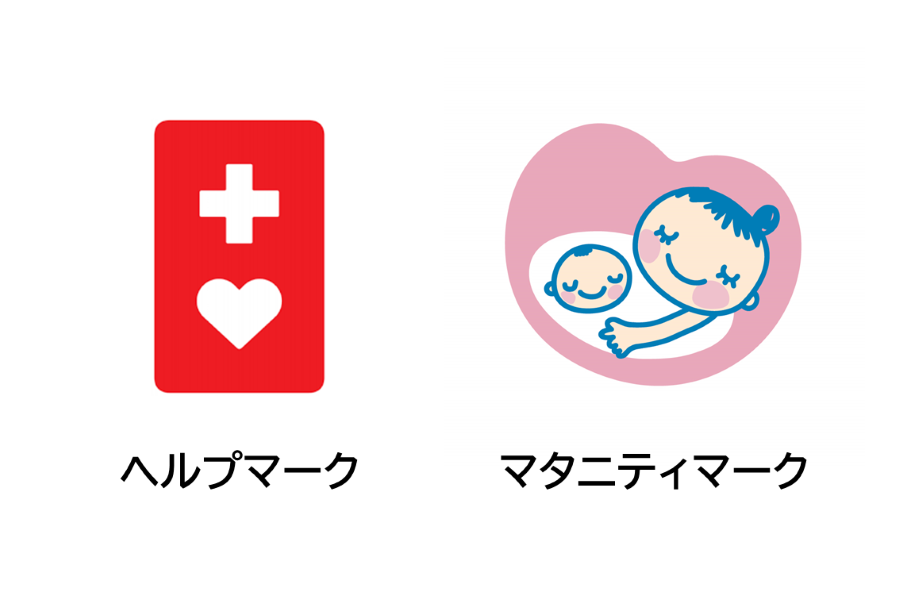
First: Priority Seats (Yusen-seki). In every carriage, there are seats for the elderly, injured people, or pregnant women. Usually, the seats have a different color. Please leave these seats open, or give your seat to someone who needs it.
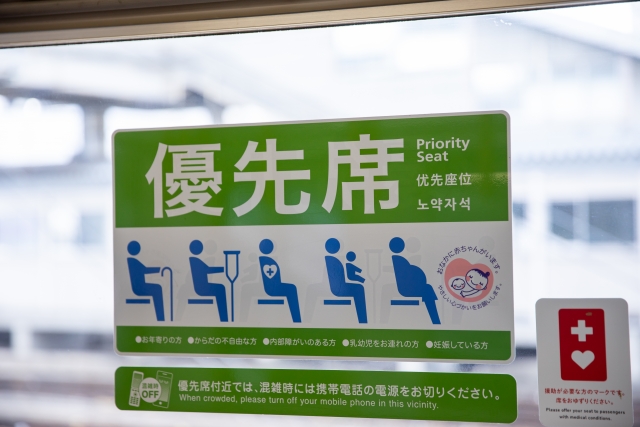
Second: Symbols to look for. You might see people wearing a small ‘Maternity Mark’ (it’s pink and white with a mother and baby). Also, the ‘Help Mark’ is a red tag with a white cross and heart. If you see someone with these marks, please be kind and offer your seat.
If you’re worried about NOT TO DO in Japan, be sure to check out the blog below!
【Quiz 3:Women-Only Car】
One last quiz to keep you safe!
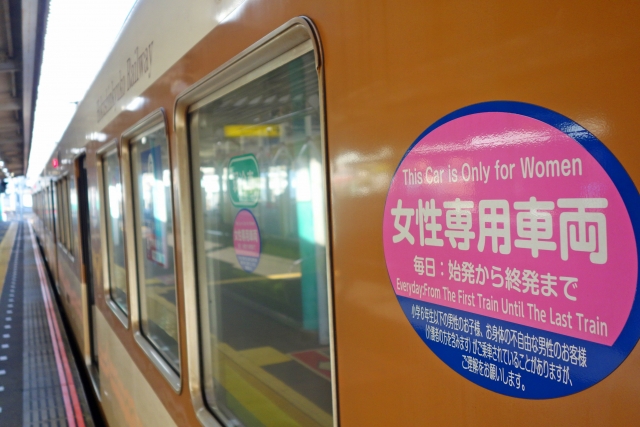
You are a male traveler. It is 8:00 AM on a Monday. You see a train car with a Pink Sign on the window. Is it okay to enter?
The answer is definitely NO! That is a ‘Women-Only Car’ for the morning rush hour. If you enter by mistake, it will be very embarrassing! Always look for the pink ‘Women Only’ stickers on the platform floor before you step in.
If you follow these rules, you will be a very polite guest in Japan.
Luggage & Coin Lockers
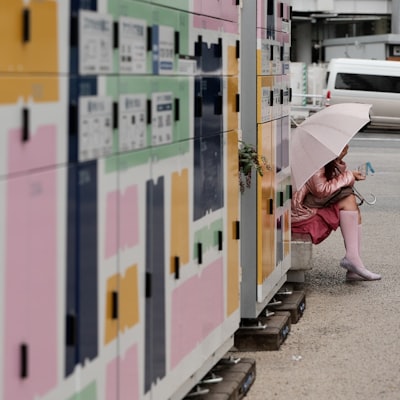
Stations in Japan are full of Coin Lockers. If you arrive at 10 AM and your hotel check-in is at 3 PM, put your bags in a locker. You can pay with your IC card.
The locker will give you a QR code or remember your card. No more carrying heavy bags through the crowds!
The JR Pass vs. Regional Passes
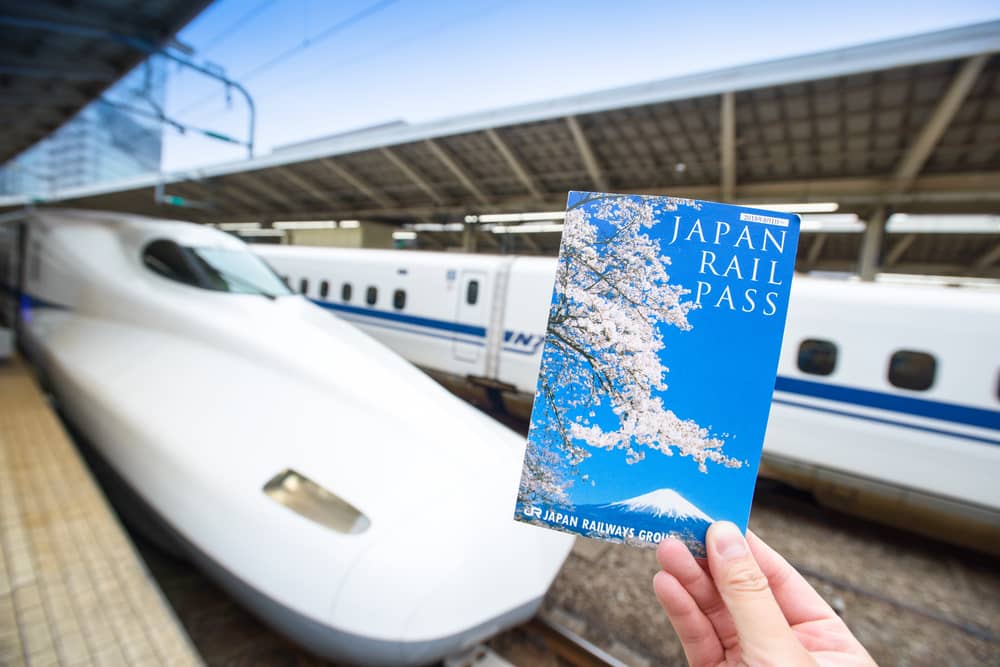
Finally, the JR Pass. It used to be a must-buy, but the price went up recently. If you are only staying in Tokyo, you don’t need it.
If you are visiting 3 or 4 different cities (like Tokyo, Kyoto, Osaka, and Hiroshima), it might save you money.
But check a ‘JR Pass Calculator’ online first. Sometimes, ‘Regional Passes’ (like the Kansai Thru Pass) are much cheaper for your specific plan.
Conclusion
We covered a lot! I know it seems like a lot of rules, but don’t worry. Japanese people are very kind. If you look lost, someone will usually try to help you.
Now you have the knowledge to go anywhere in Japan. From the fastest bullet train to the smallest local bus, you are ready!
Thank you for watching, and I’ll see you at the next station!

Comments