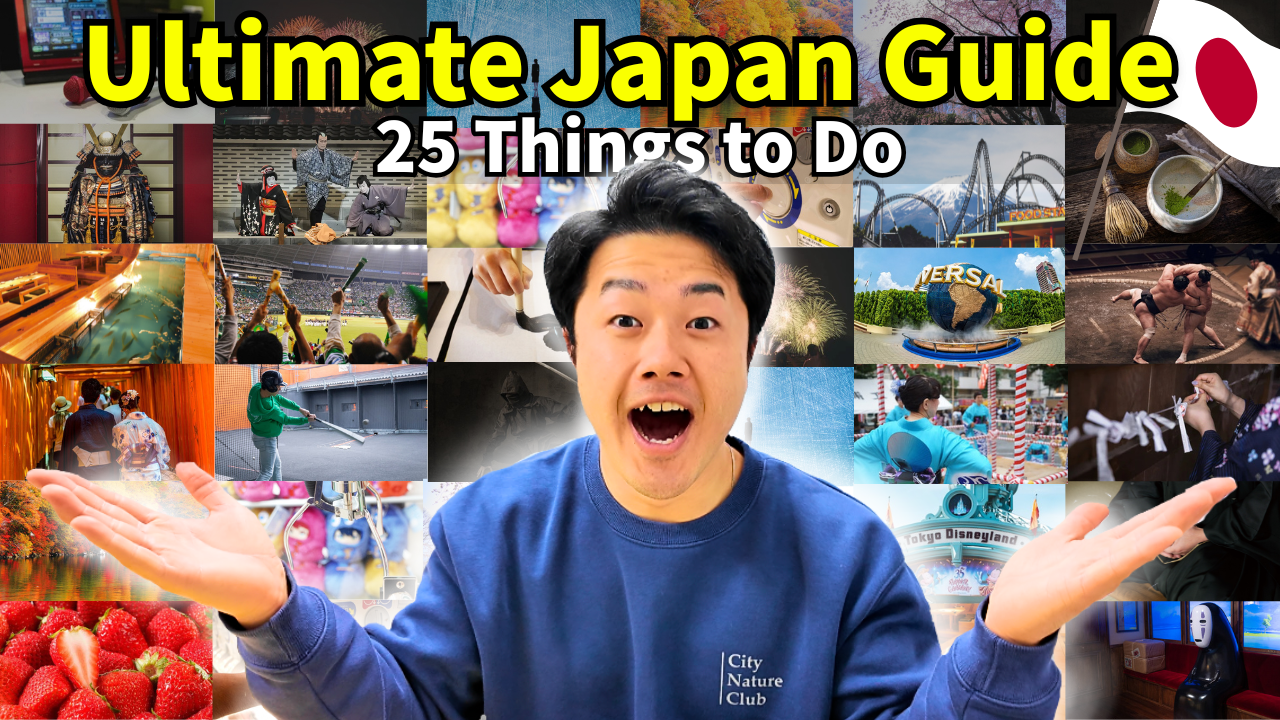
If you’re planning your trip to Japan, you’ve probably got shopping and eating on your list.
But today, we’re diving into the High-Energy side of Japan. This is your Ultimate Guide to Japanese Entertainment. We are breaking it down into 6 essential categories. I’m covering everything from ancient traditions to neon-lit high-tech fun.
Japan Pros watching—I need your help! Let the beginners know your favorite spots in the comments. Let’s get into it!
Traditional Experiences
First, let’s touch the soul of Japan through its living history.
🍵 Tea Ceremony — Chado / Sado
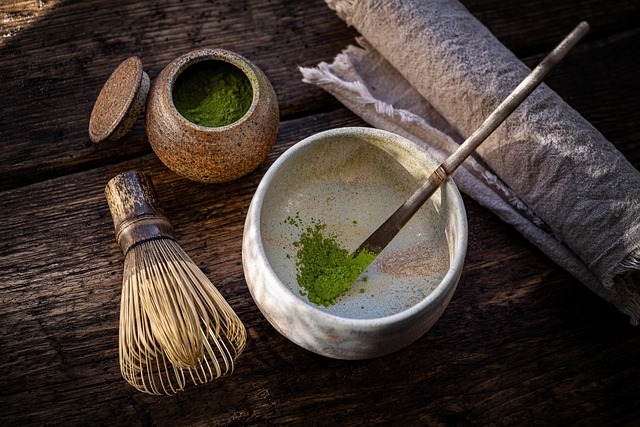
We’re starting with one of Japan’s most iconic rituals — the tea ceremony, or chado — literally, ‘the way of tea.’ This is not just making a cup of green tea. Every single movement — the way the bowl is turned, the way the host wipes the ladle — is a choreographed meditation that dates back to the 15th century. It’s rooted in four principles: harmony, respect, purity, and tranquility. And when you sit in that quiet room and watch it happen, you genuinely feel all four.
As a guest, you’ll be served a small sweet before receiving your bowl of thick, frothy matcha — and yes, you’re expected to turn the bowl before you drink, so the decorated side faces away from your lips. Don’t worry, they’ll show you.
Duration: 30–90 min
Cost: ¥1,500–¥5,000 (~$10–$33)
📍 Top Spots:
MAIKOYA offers an English-friendly experience with kimono rental bundled in.
👘 Kimono Rental
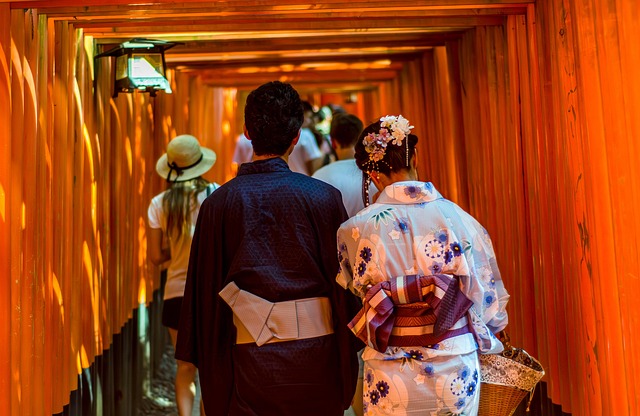
Renting a kimono for a day is one of those things that sounds touristy — and then you actually do it, and you feel completely transformed. The streets of Kyoto’s Higashiyama district and Tokyo’s Asakusa literally look different when you’re walking them in silk.
Rental shops handle everything: the kimono, the obi sash, tabi socks, the sandals, and yes — someone will dress you, because there are about twelve steps to putting one of these on properly. Most sessions run ¥3,000 to ¥5,000 (~$20–$33) for the day, with English-speaking staff at the major spots.
Cost: ¥3,000–¥5,000 (~$20–$33)
Returns by 5–6 PM
📍 Top Spots:
In Kyoto, Okamoto Kimono near Kiyomizudera has been dressing tourists for decades. In Tokyo, head to Asakusa Rental Kimono Waraku — you step out and Senso-ji Temple is literally right in front of you.
🧘 Zazen Meditation
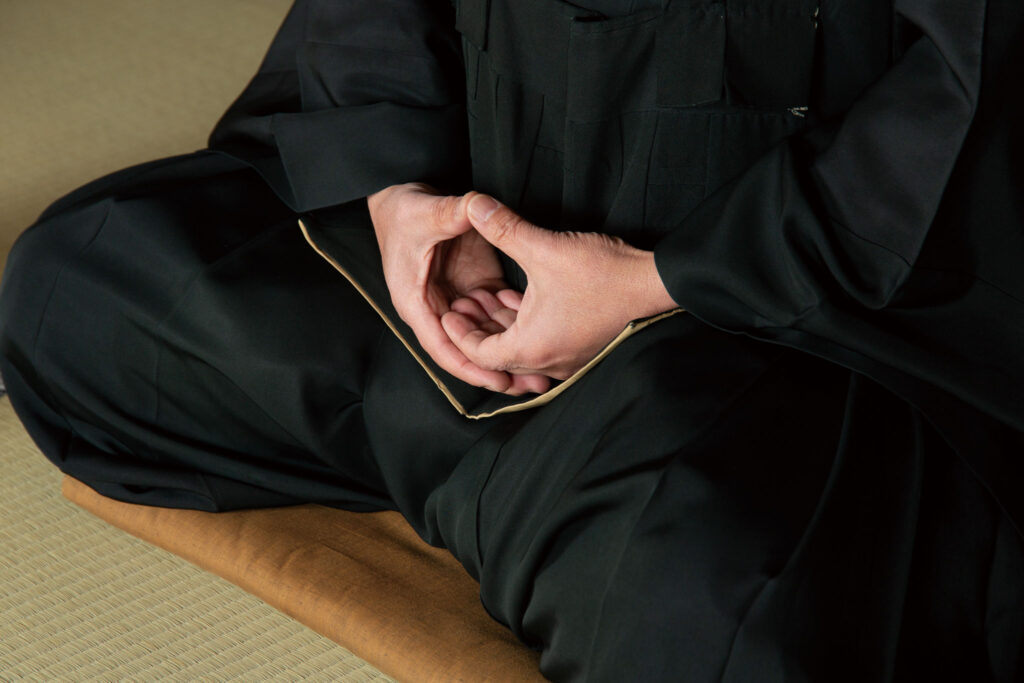
If you want to slow down completely, book a zazen session at a Zen Buddhist temple. Zazen is seated meditation, done in near-total silence, often starting before sunrise. You sit, you focus on your breathing, and if your posture slips or your mind wanders, a monk may tap you on the shoulder with a flat wooden stick called a keisaku. Don’t be alarmed — it’s considered an act of compassion, not punishment.
Sessions typically run 60 to 90 minutes, cost around ¥500 to ¥1,000, and are offered to the public at dozens of temples — no experience required.
Cost: ¥500–¥1,500($3-10)
Best time: early morning
📍 Top Spots:
Eiheiji Temple in Fukui is the headquarters of the Soto school of Zen — staying overnight here is a full immersion. In Kyoto, Taizo-in at Myoshinji offers regular public zazen open to foreign visitors, with English guidance.
✍️ Calligraphy — Shodo
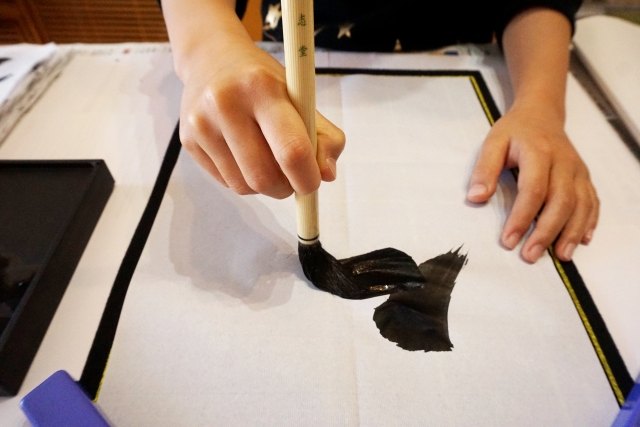
Shodo — Japanese calligraphy — is one of the most meditative things you can do with your hands. You grind your own ink on an ink stone, load a bamboo brush, and try to write a single kanji character with the right balance of pressure, speed, and intention. The results are immediately personal. Every brushstroke reflects your energy in that moment — and somehow, even beginner attempts often look beautiful on washi paper.
Classes run about an hour, cost ¥2,000 to ¥4,000, and you take your work home as a souvenir.
Cost: ¥2,000–¥4,000($12-25)
Keep your piece as a souvenir
📍 Top Spots:
The Okura Tokyo hotel’s Chosho-an offers a refined, traditional session for guests looking for a premium setting.
🎭 Kabuki Theater
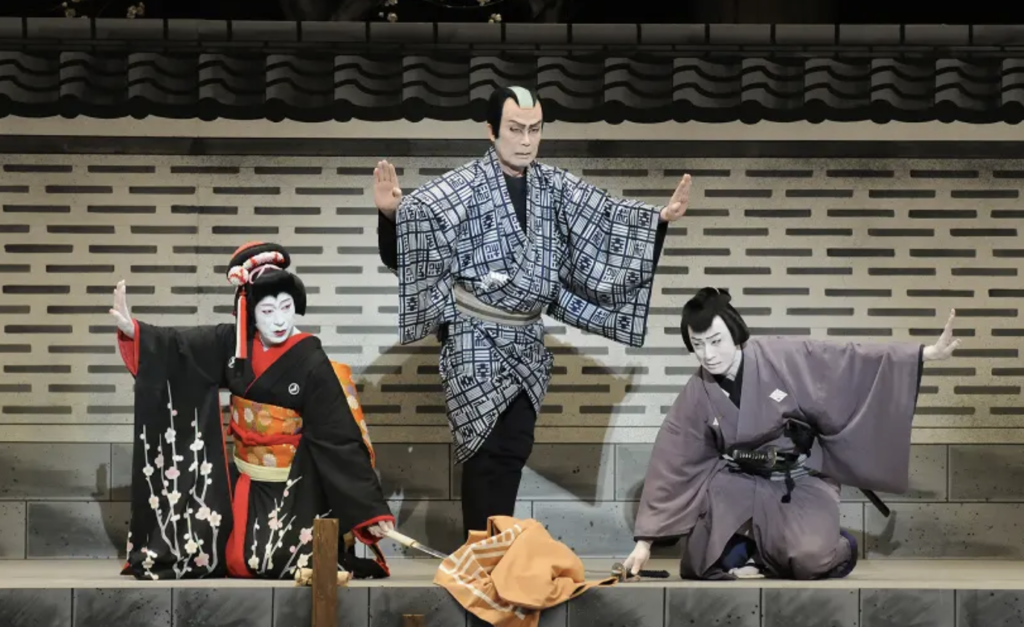
Kabuki is one of the great theatrical art forms of the world, and attending a live performance is genuinely one of the most visually stunning things you can do in Japan. The costumes are massive. The makeup is exquisite. The sets transform in real time. And the actors — all traditionally male — have trained their entire lives for this.
Don’t be intimidated by the language barrier. Most major theaters offer English audio guides that narrate the story scene by scene. You can also buy single-act tickets — called hitomaku — to see just one act for around ¥1,000 to ¥2,000 ($6-12) if a full four-hour program feels like too much.
Full show: ¥4,000–¥20,000($25-125)
Single act: ¥1,000–¥2,000
📍 Top Spots:
Kabukiza Theatre in Ginza, Tokyo — rebuilt in 2013 — is the most famous kabuki venue in the world and runs performances almost daily. In Kyoto, Minamiza Theatre is the oldest theater in Japan, dating back to 1610.
🥷 Ninja Experience
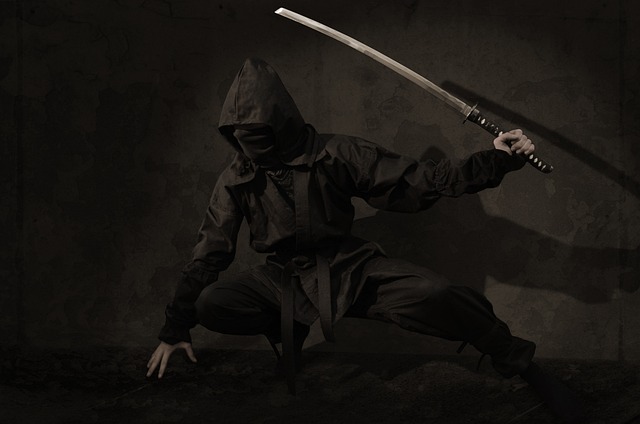
For a more action-packed taste of feudal Japan, ninja experiences let you dress in full black, learn throwing star techniques, practice stealth movements, and walk through recreated ninja villages. It’s theatrical — and absolutely fun.
Cost: ¥1,500–¥5,000($9-31)
Great for all ages
📍 Top Spots:
Edo Wonderland in Nikko is a full-scale historical theme park where ninja shows and hands-on workshops run throughout the day — you could spend an entire day here. The Ninja Experience at Asakusa in Tokyo is a compact, highly polished urban option with shuriken throwing and obstacle courses.
⚔️ Samurai Experience
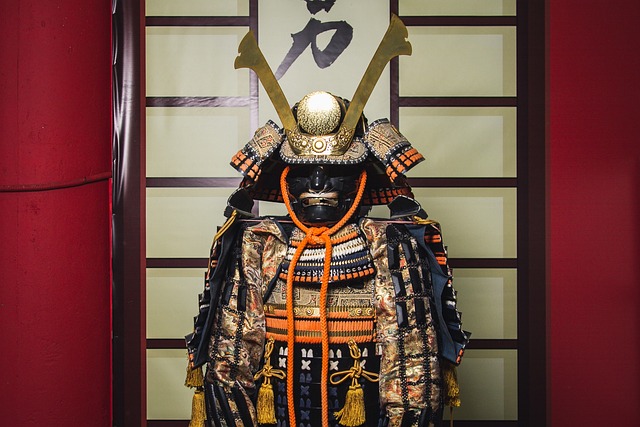
If ninja is stealth, samurai is power. Samurai experience studios walk you through the philosophy of Bushido, dress you in replica armor, and teach you actual sword techniques used in classical Japanese martial arts. Some studios even let you cut a bamboo mat with a real blade — supervised, of course.
Cost: ¥3,000–¥12,000($18-75)
Armor photo included
📍 Top Spots:
MAIKOYA’s Samurai Ninja Museum in Kyoto and Tokyo is one of the most popular English-friendly options with full armor dress-up and photo sessions included. Kyoto Samurai Experience by Waraku offers more intensive sword training in an authentic dojo atmosphere.
Amusements (High-Tech & High-Energy)
Modern Japan is basically a giant playground!
🕹️ Game Centers & Crane Games — UFO Catchers
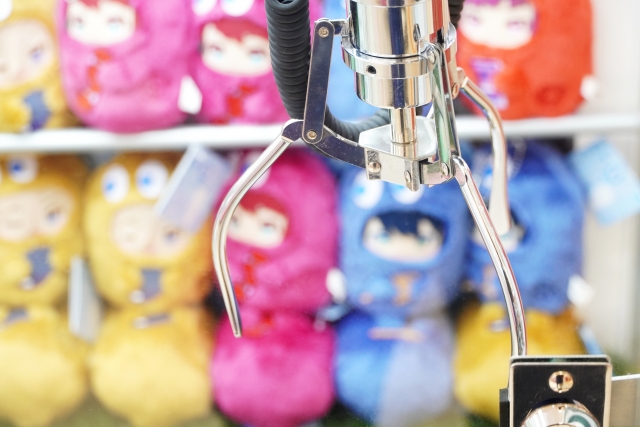
Japanese game centers are not the dim, run-down arcades of your childhood. These are multi-story entertainment complexes filled with hundreds of machines, and the crown jewel is the UFO catcher — the crane game. Unlike the impossibly rigged versions you see in other countries, Japanese crane games are heavily regulated and legally required to be winnable within a certain number of tries. Operators actively help you if you’re struggling.
The prizes are extraordinary — officially licensed plushies, anime figures, rare collectibles, and snacks. One play costs around ¥100 to ¥200($1). People come back every week.
Cost: ¥100–¥200 per play($1)
Prizes worth ¥1,000–¥5,000+
📍 Top Spots:
GiGO in Tokyo has some of the best prizes in the city.
🎤 Karaoke
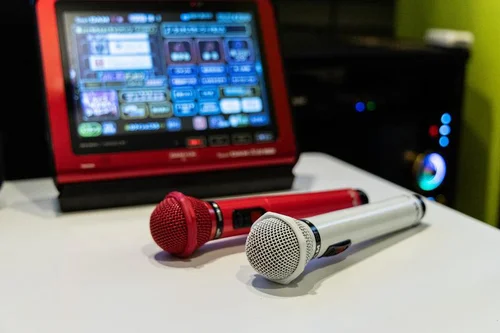
Karaoke in Japan is a private affair — and that changes everything. You’re not performing in front of strangers. You book a private room with your group, order food and drinks through a tablet, and sing your heart out for as long as you want. The song libraries are enormous — JOYSOUND alone has over 360,000 tracks including a huge selection of English-language songs.
Rooms rent by the hour, typically ¥300–¥600 per person, with unlimited drink sets adding another ¥500 or so. Weekday afternoon hours (hiru-kara) are significantly cheaper.
Cost: ¥300–¥600/hr per person + drinks($2-4)
Open until 5–6 AM
📍 Top Spots:
Big Echo and JOYSOUND are the two dominant chains — you’ll find both in virtually every entertainment district in Japan. Both have English interfaces available.
🫧 Gachapon / Gashapon Capsule Toys
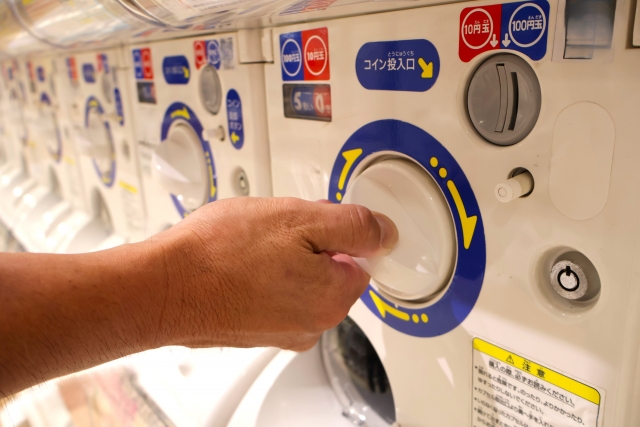
Before there were loot boxes, there were gachapon — Japan’s capsule toy vending machines. Insert ¥200–¥500, turn the handle, and out comes a plastic capsule containing a miniature figure, accessory, or gadget. The variety is staggering — over 360,000 different items exist across Japan. Some are officially licensed anime figures. Some are hyper-realistic miniature food replicas. Some are… just inexplicably tiny cats in tiny chairs.
There are entire shops now dedicated entirely to gachapon, with hundreds of machines lined up wall to wall.
Cost: ¥200–¥500 per turn($1-3)
Collectable & giftable
📍 Top Spots:
Gachapon Kaikan in Akihabara has over 400 machines under one roof and is the most famous dedicated gachapon shop in Japan. Ikebukuro’s Sunshine City shopping complex also has an enormous gachapon zone.
🎳 Round One / Spocha
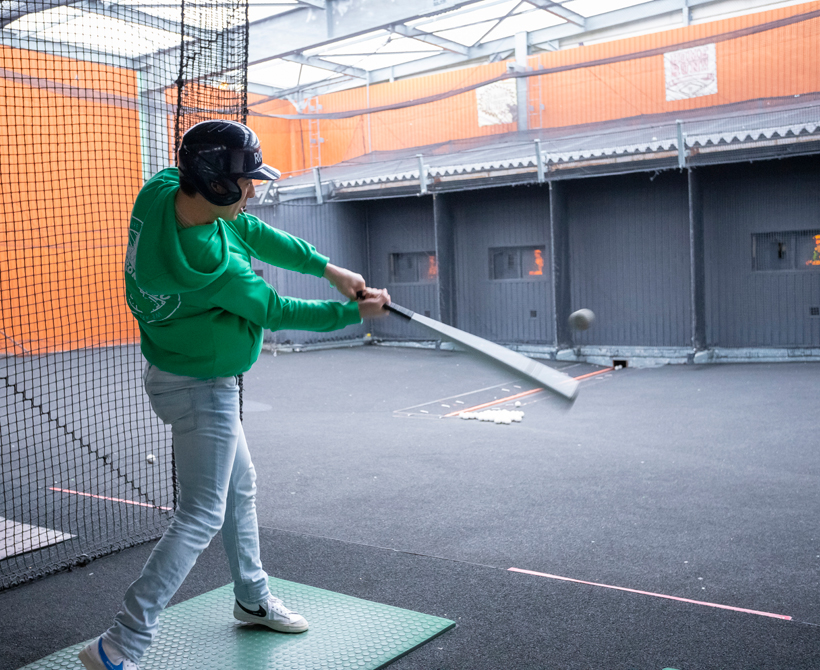
Round One — marketed under the name Spocha, short for Sports Challenge — is a concept Japan invented, and no other country has properly replicated. It’s a massive, multi-floor indoor complex combining a full arcade with sports facilities: bowling, batting cages, billiards, ping-pong, badminton, basketball, dodgeball, and sometimes even curling. You pay one time-based admission fee and access everything.
It’s where Japanese teenagers spend entire Saturdays. And honestly, it’s where you should spend yours, too.
Cost: ~¥1,500–¥3,000 for 3-hr pass($10-20)
24-hr locations available
📍 Top Spots:
Round One Stadium Ikebukuro, Tokyo, is one of the largest in the country. Round One Odaiba offers waterfront views and is easily accessible by train or the Yurikamome line.
🗺️ Need Turnkey Routes & 1-Tap Google Maps Pins?
Check out our complete 119-page handbook crafted by a Tokyo native—featuring 5-day itineraries and offline navigation.
See What’s Inside the Guidebook →Theme Parks (World-Class Thrills)
Japan takes theme parks to a whole new level of detail.
🎢 Universal Studios Japan (USJ)
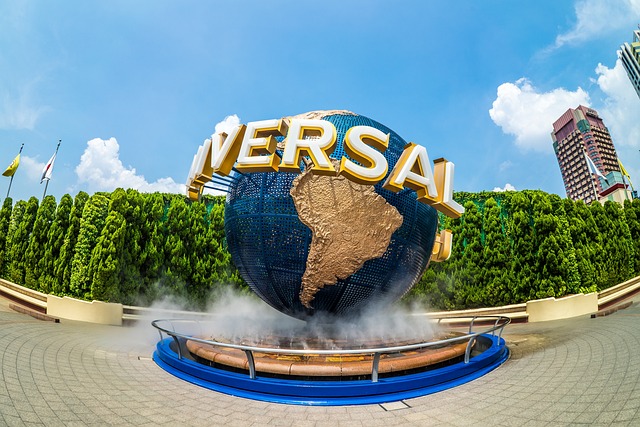
Universal Studios Japan in Osaka is, by many measures, the best Universal park in the world. The Wizarding World of Harry Potter here is stunning — but the crown jewel is Super Nintendo World, which opened here first and has since been copied everywhere. You wear an interactive wristband, collect coins by punching question blocks in real life, and battle Bowser in a ride that is genuinely mind-blowing.
One-day tickets start at around ¥9,800 (around $65), with Express Passes available to skip lines for key attractions.
1-day ticket from ¥9,800 (~$65)
📍 Location: Osaka — 5 min walk from JR Sakurajima Station
🏰 Tokyo Disney Resort
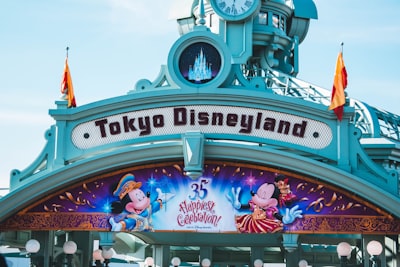
Tokyo Disney Resort is widely considered the best-operated Disney destination in the world — and it contains two parks. Tokyo Disneyland is the classic magic kingdom experience, immaculate and joyful. But Tokyo DisneySea is something else entirely — it’s the most beautifully designed theme park ever built, with seven themed ports including the lost city of Atlantis and the port of call for Indiana Jones. In 2024, the park added Fantasy Springs — an entirely new area featuring Frozen, Rapunzel, and Peter Pan.
1-day ticket from ¥9,400 (~$63)
📍 Location: Urayasu — direct from Tokyo via JR Keiyo Line
🎢 Fuji-Q Highland
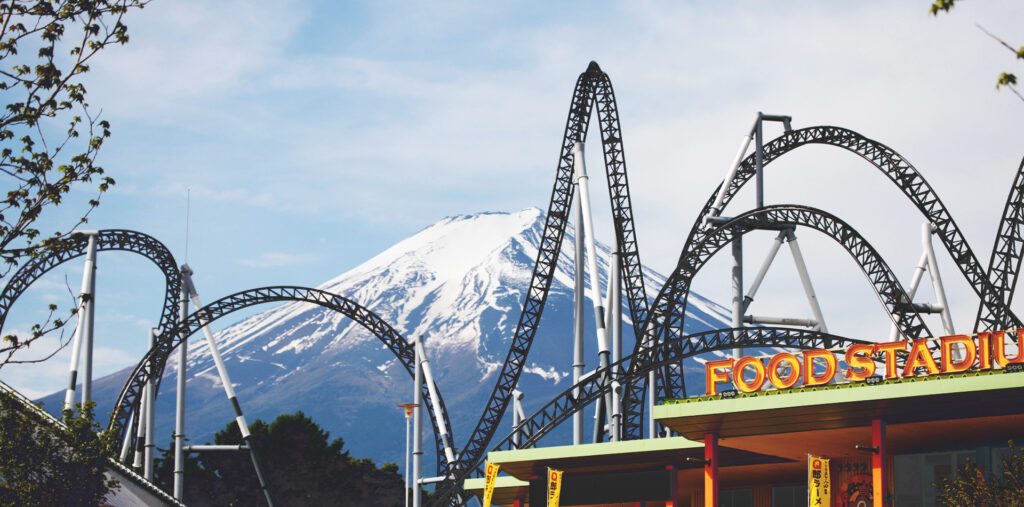
Fuji-Q Highland is not a polished Disney experience — it’s a thrill-seeker’s shrine. This park holds multiple Guinness World Records for the world’s most terrifying roller coasters, and the backdrop of Mount Fuji makes every ride feel cinematically absurd. Fujiyama was once the world’s tallest coaster. Takabisha has the world’s steepest drop at 121 degrees. The haunted house here is regularly ranked the most terrifying in the world — with waiting times often over two hours just for the fear.
Passport from ¥7,400 (~$49)
📍Location: Fujiyoshida, Yamanashi
🌿 Ghibli Park
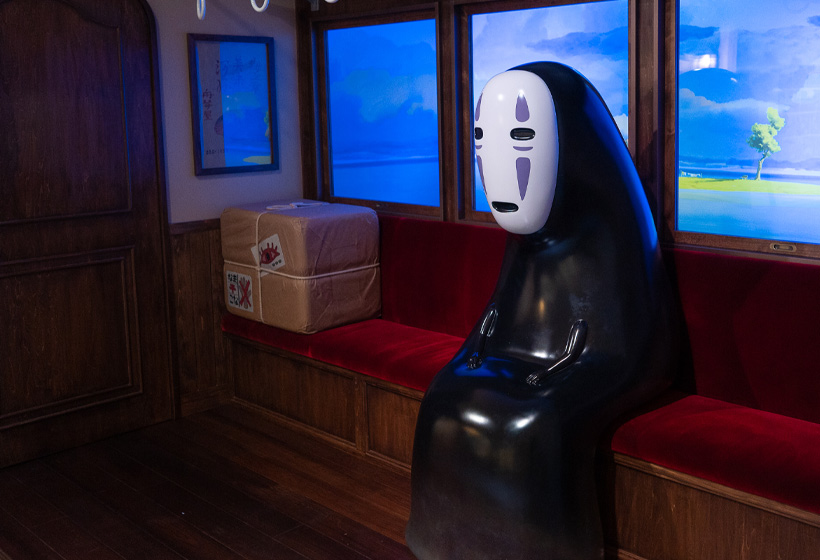
Ghibli Park opened in 2022 inside the Expo 2005 Aichi Commemorative Park, and it is unlike any theme park you’ve ever visited. There are no rides. No shows. No spectacular effects. Instead, it’s an immersive walk through the world of Studio Ghibli — where the architecture, the landscaping, and the hidden details ARE the experience. You walk through rooms that look exactly like scenes from Howl’s Moving Castle and My Neighbor Totoro, and the sense of stepping into animation is unlike anything else.
Timed-entry tickets must be booked in advance online — they sell out immediately. This is non-negotiable. Don’t show up without a ticket.
Tickets from ¥2,000–¥3,500($15-25)
📍Location: Nagakute, Aichi
🌊 teamLab Borderless & teamLab Planets

teamLab is a Tokyo-based digital art collective that creates experiences that genuinely cannot be described in words — you have to walk through them. teamLab Planets in Toyosu has four rooms: you wade barefoot through ankle-deep water filled with projected koi fish that react to your movement, you float in a room of suspended blooming flowers, you lie on mirrors surrounded by infinite light. It’s overwhelming in the best way.
teamLab Borderless, which reopened in Azabudai Hills in 2024, is even larger — a full museum where the art flows between rooms with no defined path. You simply walk and get lost.
Tickets: ¥3,200–¥4,000($20-25)
📍teamLab Planets: Toyosu | Borderless: Azabudai Hills
Live Sports (The Passion of Japan)
Japanese fans are some of the most respectful and energetic in the world.
⚾ Professional Baseball — NPB
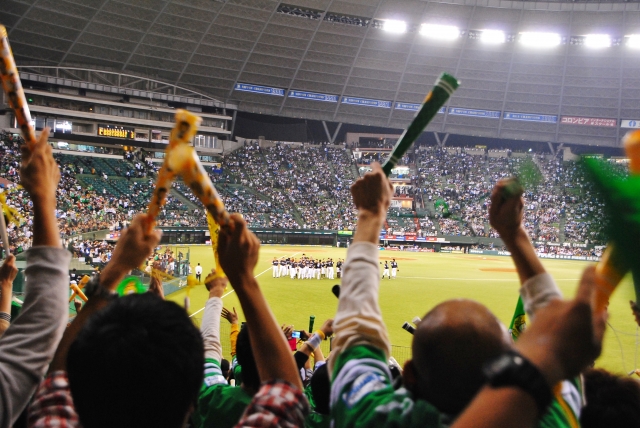
Japanese professional baseball — the NPB — is one of the best live sports experiences in the world, and not just because of the game. The fan culture is extraordinary. Every team has organized cheer sections in the outfield with professional cheer leaders directing synchronized chants, brass instruments, and flag waves for every single batter. You’re handed a bat-shaped balloon and a team towel. When your team scores, the entire outfield section unfurls matching color balloons simultaneously.
Tickets start at ¥1,500 for outfield standing — and that’s where the real energy is. Food inside the stadiums is excellent — stadium-specific ramen, team-branded bento boxes, and girls walking the aisles with beer dispensers strapped to their backs.
Season: March–October
Tickets from ¥1,500 (~$10)
📍 Top Spots:
Tokyo Dome — home of the Yomiuri Giants, Japan’s most famous team — is right in the heart of the city. Koshien Stadium in Hyogo, home of the Hanshin Tigers, is a living cathedral of baseball heritage — opened in 1924 and still packed to capacity.
🤼 Sumo Wrestling
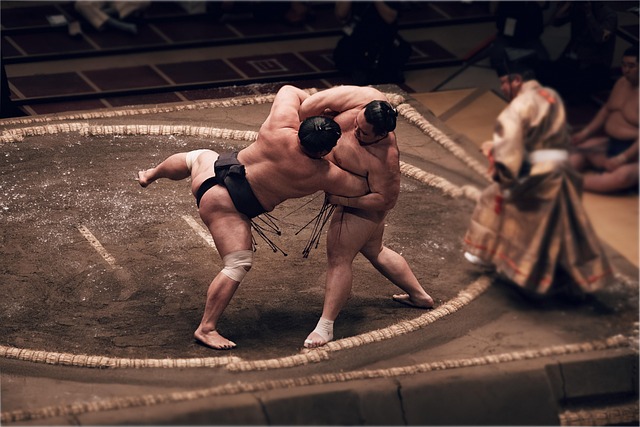
Watching professional sumo is one of those experiences that feels like observing something ancient and untouched. The dohyo — the raised clay ring — is sacred ground. The pre-match rituals of salt-throwing, leg stomps, and the long silent stare-down can last longer than the actual match, which is often over in seconds. And yet the whole thing is absolutely riveting.
There are six official Grand Tournaments each year, each lasting 15 days. January, May, and September are in Tokyo. The others rotate to Osaka, Nagoya, and Fukuoka. Ringside tickets book out months in advance, but same-day standing tickets are available. Note: tickets sell out extremely quickly. Utilize the priority lottery offered by the official Grand Sumo Fan Club. For general sales, try applying simultaneously via the internet, phone, and convenience store terminals at 10:00 AM on the first day of sales. Additionally, purchasing at retail prices for resale or buying directly at convenience store terminals is effective.
6 tournaments/year
Tickets: ¥4,000–¥45,000($25-283)
📍 Top Spots:
Ryogoku Kokugikan in Tokyo is the home of sumo — this is the venue for three of the six annual basho and also houses a free sumo museum.
Seasonal Events (Matsuri & Nature)
Depending on when you visit, Japan completely transforms.
🌸 Hanami — Cherry Blossom Viewing
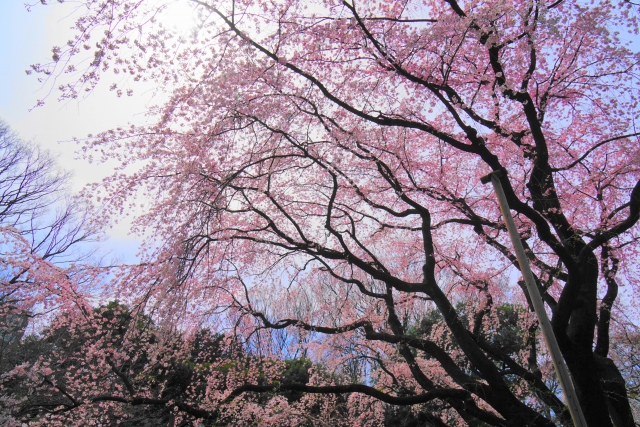
Hanami — literally ‘flower viewing’ — is the single most beloved seasonal tradition in Japan. For one to two weeks each spring, when the cherry trees bloom, the entire country goes outside. Parks fill with blue tarps, people bring bento boxes and sake, and the atmosphere is equal parts meditative and festive. It’s communal in a way that’s hard to describe — strangers become friends under a canopy of pink.
Peak bloom varies by region but typically hits Tokyo in late March to early April. Get there early to claim your spot — or arrive late evening for the yozakura, the night cherry blossom experience, where lit-up trees glow against the dark sky.
Peak season: Late March–Early April
📍 Top Spots:
Maruyama Park in Kyoto has a famous weeping cherry tree at its center that’s a century old and lit up at night. In Tokyo, Yoyogi Park and Shinjuku Gyoen are the top picks — Shinjuku Gyoen is a ticketed garden (¥500) with one of the best curated collections of cherry varieties in the world.
🎆 Hanabi — Fireworks Festivals
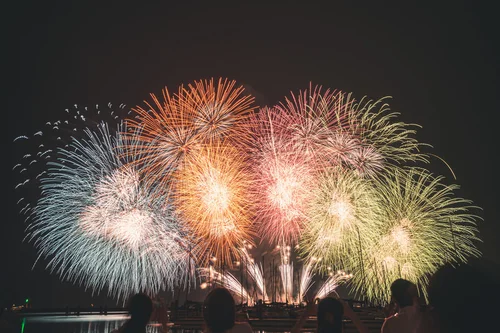
Japanese fireworks festivals — hanabi taikai — are in a league of their own. These aren’t five-minute countdowns. Major festivals last 90 minutes to two hours, launching anywhere from 10,000 to 120,000 shells. Japanese fireworks are technically distinct from Western ones — they’re hand-crafted by artisan guilds, and competitions judge on originality, precision, and beauty. Shows regularly feature custom designs: flowers that bloom in mid-air, faces, and nested spheres inside spheres.
Wear a yukata — summer kimono — to any major show. You’ll fit right in.
Season: July–August
📍 Top Spots:
Sumida River Fireworks Festival in Tokyo — one of Japan’s oldest, dating to 1733 — fires 20,000 shells over the Sumida River each late July and draws 900,000 spectators. Nagaoka Fireworks Festival in Niigata, held August 2–3, is considered technically the finest in Japan — 120,000 shells over two nights.
🪭 Bon Odori — Summer Festival Dance
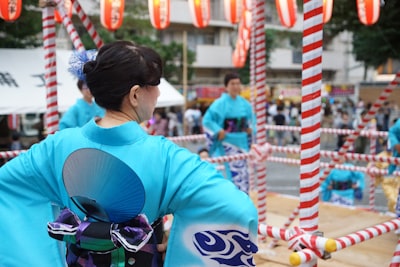
Obon is Japan’s Buddhist festival honoring ancestral spirits — and the centerpiece is Bon Odori: communal outdoor dance. A yagura tower is built in the center of a plaza or shrine grounds, drummers climb on top, and people of all ages circle it in unison, performing the same traditional dance moves passed down for generations. It’s not a performance — everyone joins in. If you look lost, someone will show you the steps.
Obon runs mid-August, and every neighborhood has its own festival. Some are intimate, some are enormous. All of them are free.
Season: Mid-August
🍂 Koyo — Autumn Foliage
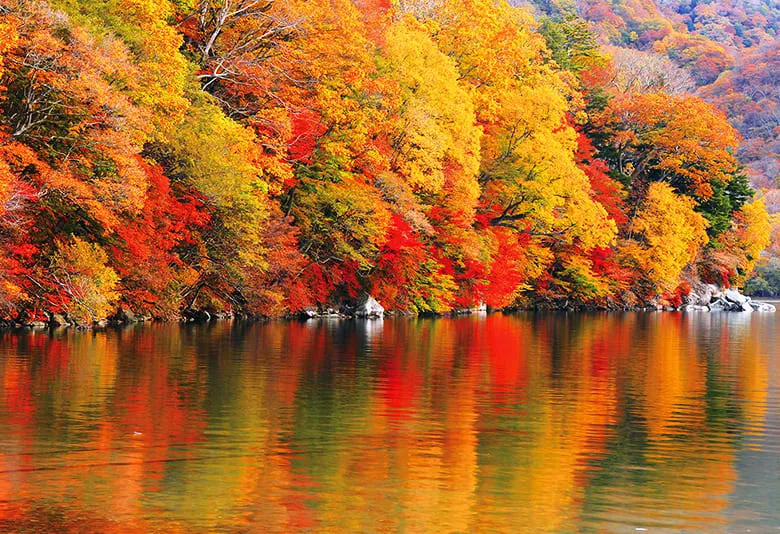
If cherry blossoms are Japan’s spring spectacle, autumn foliage — koyo — is the other half of the seasonal calendar. From late October through December, Japanese maples, ginkgo trees, and mountain forests explode into reds, oranges, and gold. The Japanese track it with the same obsessive precision as cherry blossoms — there’s a koyo forecast broadcast on the news.
Temple and shrine gardens really come into their own during this season — the combination of historic architecture and burning foliage is a photographer’s heaven.
Peak: Late Oct–Early Dec (varies by region)
📍 Top Spots:
Arashiyama in Kyoto is world-famous for its hillside maple forests. Nikko National Park in Tochigi is arguably the single best koyo destination in Japan — ancient shrines surrounded by mountains that turn the entire valley orange.
🎍 Hatsumode — New Year Shrine Visit
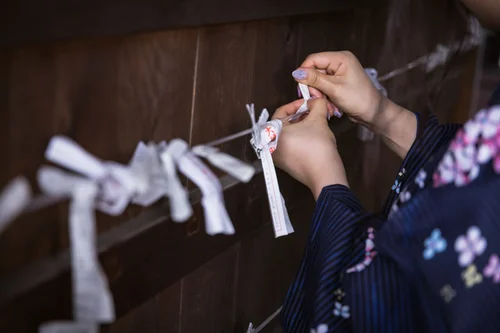
New Year in Japan is a religious experience — literally. Hatsumode is the first shrine or temple visit of the year, typically made on January 1st, 2nd, or 3rd. You go to pray for good fortune in the coming year, buy an omamori protective charm, draw an omikuji fortune paper, and tie it to a tree if the fortune is bad — leaving the bad luck behind.
The crowds at major shrines in the first three days of January are genuinely staggering — Meiji Shrine in Tokyo receives over three million visitors across the first three days alone. Go late on January 2nd or 3rd to avoid the worst of it.
Date: Jan 1–3
Open all night Jan 1
📍 Top Spots:
Meiji Jingu in Tokyo is the most visited shrine in Japan for hatsumode. Naritasan Shinshoji Temple in Chiba is the second most visited, and it’s directly on the Narita Airport line — if you’re flying in around New Year, this is unmissable.
🍓 Fruit Picking — Kudamono Gari
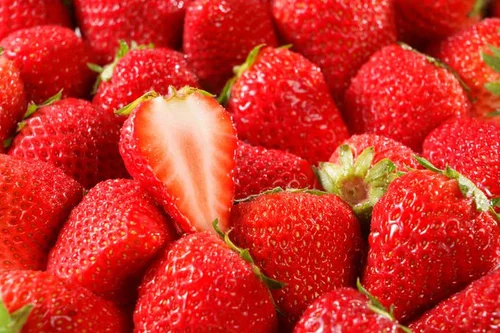
Japan takes fruit to a place no other country does — and fruit picking lets you experience that obsession firsthand. Strawberry picking (ichigo gari) in heated greenhouses during winter and spring is magical. Grape picking (budo gari) in Yamanashi in late summer gives you varieties you’ve never tasted. And the shininess, the size, the flavor of Japanese agricultural fruit — especially premium varietals — is genuinely unlike anything you can buy at home.
Most farms sell timed all-you-can-eat sessions — typically 30 to 60 minutes, costing ¥1,500 to ¥3,500 per person.
Cost: ¥1,500–¥3,500
Seasonal: Strawberry (Dec–May), Grapes (Aug–Oct)
📍 Top Spots:
The Tochigi Prefecture region north of Tokyo is Japan’s strawberry capital — Tochigi’s Tochiotome and Skyberry varieties are considered the best in the country. Yamanashi Prefecture near Fuji is the top grape and peach picking destination.
Izakaya Entertainment (Dining with a Twist)
Why just eat when you can play with your food?
🐟 Zauo — Catch Your Own Fish Restaurant
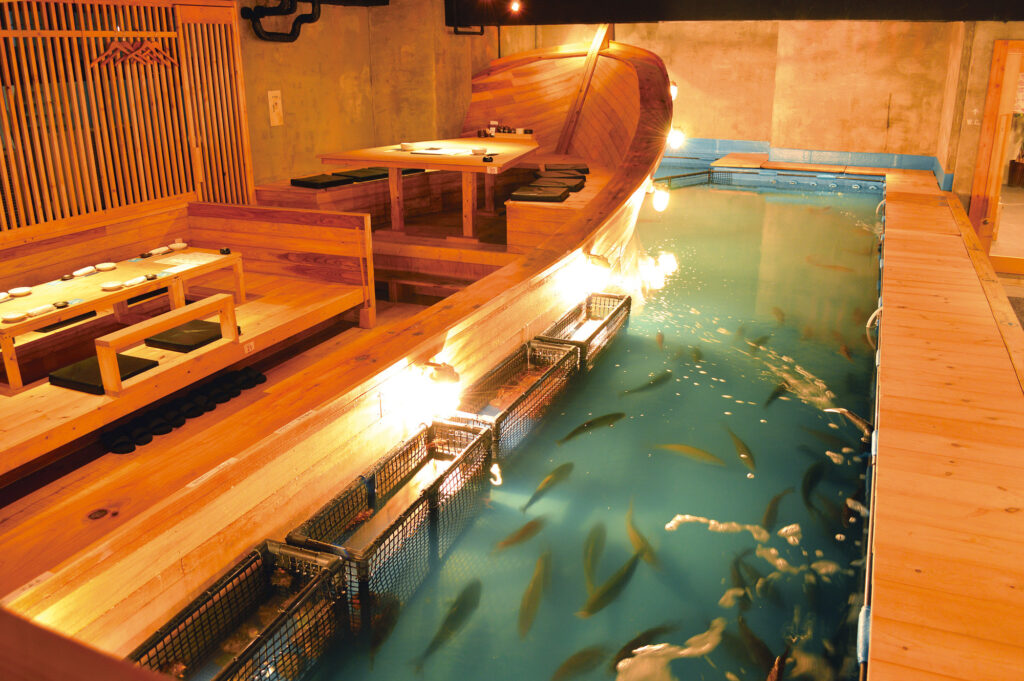
Zauo is the kind of restaurant concept that feels like it was invented in a dream. You sit inside a wooden fishing boat, and the boat is floating in an actual tank — filled with fish. You are given a fishing rod and bait, and you fish for your dinner. When you catch something, the entire restaurant rings a bell and cheers. Your fish is then taken to the kitchen and prepared however you like: grilled, fried, or sashimi.
If you don’t catch anything within your session, you can order off the regular menu — so don’t worry. But the energy in this restaurant when anyone lands a fish is genuinely one of the most fun communal dining moments in Japan. Drinks are flowing, people are screaming, and somehow there’s a giant fish flopping next to your table.
Reservations strongly recommended
Budget: ¥3,000–¥5,000/person($18-31)
📍 Locations:
Zauo has multiple locations — Zauo Shinjuku, Zauo Hakata in Fukuoka, and Zauo Osaka are the main flagships. The Shinjuku location is the most accessible for Tokyo visitors.
That is the Ultimate Entertainment Guide to Japan! Whether you want the silence of Zen or the chaos of USJ, Japan has it all.
Frequent Visitors: What did I miss? Is there a hidden arcade or a local festival that deserves a spot on this list? Help out the beginners in the comments!
Thank you for reading until the end. I’ll see you in the next one. Peace!


Comments