Planning your first trip to Japan can feel overwhelming. Almost every travel forum points you toward the classic “Golden Route”—a well-worn path through Tokyo, Hakone, Kyoto, Osaka, and a handful of nearby day trips.
However, the reality on the ground does not always match viral social media reels. Some iconic landmarks deliver unforgettable, once-in-a-lifetime cultural immersion, while others leave you trapped in dense crowds, paying inflated tourist fees for what amounts to a photo backdrop.
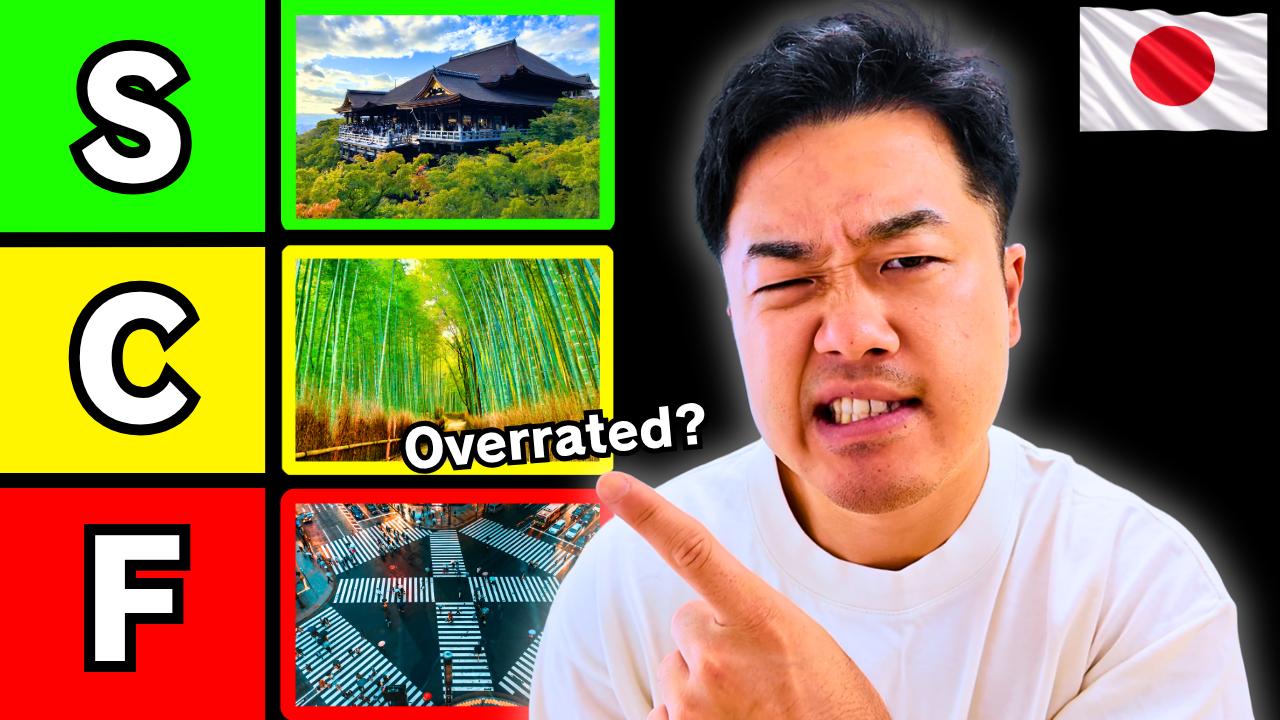
To help you protect your limited vacation days, here is an unfiltered, local tier ranking of Japan’s most famous tourist hubs—graded from S-Tier (Absolute Masterpieces) down to F-Tier (Overhyped Time Wasters) based on cultural authenticity, crowd management, and real experiential value.
Tokyo Hubs & Landmarks
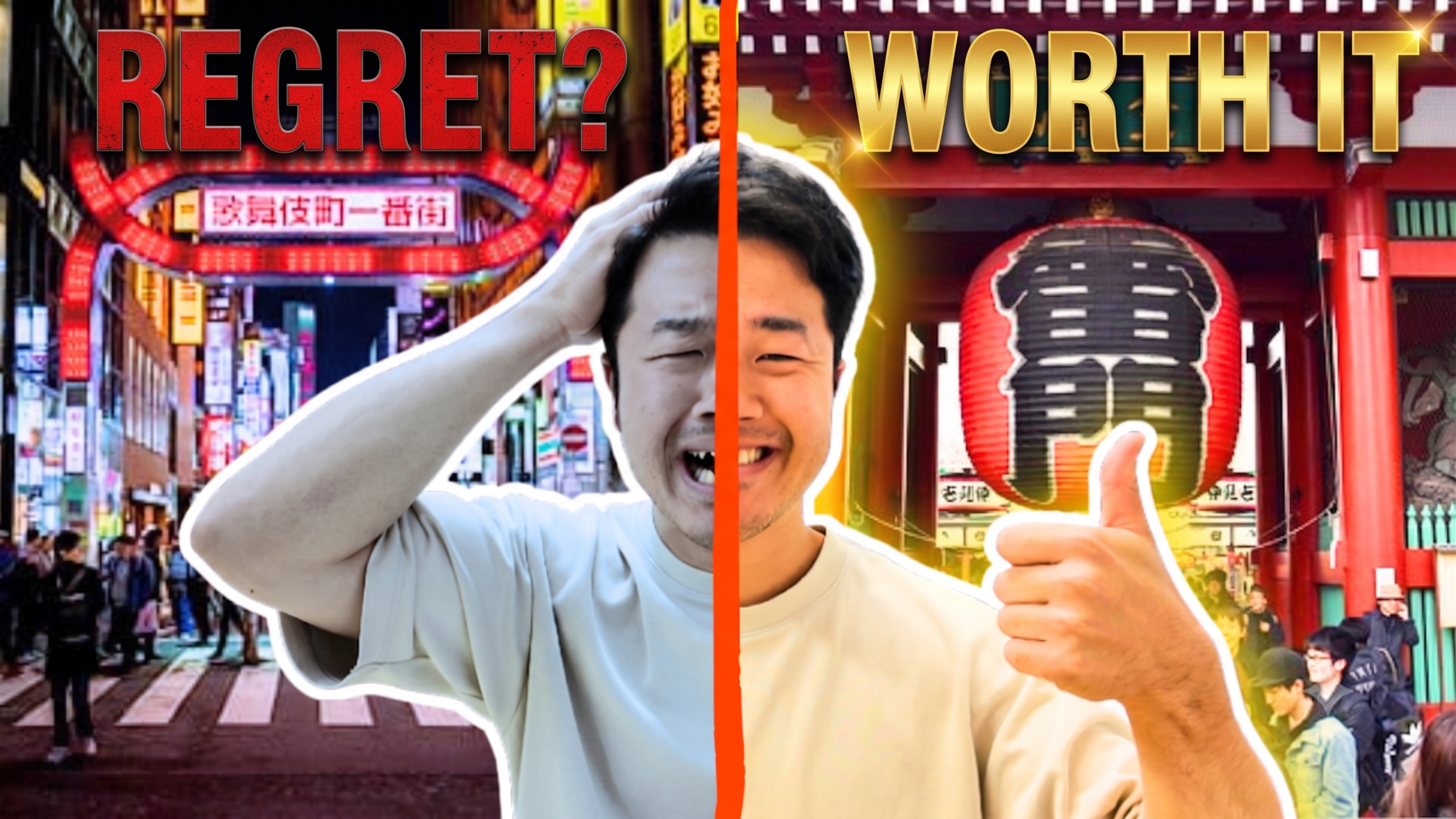
Senso-ji Temple (Asakusa): A-Tier
Tokyo’s oldest temple holds over 1,400 years of spiritual heritage, featuring its iconic Kaminarimon lantern and traditional Edo-period atmosphere right in the heart of the modern metropolis.
- The Reality: During midday peaks and cherry blossom season, the central temple grounds and Nakamise shopping street become intensely congested.
- Local Strategy: Visit at 6:00 AM at sunrise or stroll the illuminated grounds after 9:30 PM. The temple exterior remains open around the clock, allowing you to experience the architecture in total tranquility. If you want to browse traditional street snacks, keep in mind that Nakamise stalls close around 5:00 PM.
Shibuya Scramble Crossing: F-Tier
The world’s most famous crosswalk earns a spot in F-Tier for one simple reason: at the end of the day, it is simply a high-volume municipal pedestrian intersection.
- The Reality: Today, the crossing is heavily clogged with visitors holding selfie sticks in moving traffic while local commuters attempt to rush through. Navigating the surrounding sidewalks and the underground labyrinth of Shibuya Station with heavy bags offers zero authentic cultural charm.
- Better Alternative: If you want the visual perspective, do not join the pedestrian gridlock. Head to elevated vantage points like MAGNET by SHIBUYA 109 rooftop or grab a coffee at overlooking cafes to view the kinetic flow from above.
Meiji Jingu Shrine (Harajuku): A-Tier
Nestled directly beside bustling Harajuku and Shibuya, Meiji Jingu feels like a sudden portal into an ancient forest.
- The Experience: Passing beneath the massive wooden Torii gates surrounded by towering trees delivers genuine serenity. There are few structured tourist activities inside; its true value is the quiet walk away from city noise.
- Pro Tip: Pair your visit with an outdoor baseball game at the adjacent Meiji Jingu Stadium. Even if you are unfamiliar with the rules, the synchronized chanting, plastic umbrella dances, and summer fireworks turn games into high-energy local festivals.
Takeshita Street (Harajuku): C-Tier
Takeshita Street represents the epicenter of teen fashion and colorful sweets, but the actual experience has become heavily commercialized.
- The Reality: The corridor is narrow and tightly bottlenecked, prioritizing fast-trend novelties and rainbow desserts over lasting quality.
- The Alternative: Skip the main drag and head into the quieter backstreets of Ura-Harajuku, which house Tokyo’s finest independent vintage fashion boutiques and specialty espresso bars.
Akihabara: B-Tier
The world’s undisputed capital for gaming culture, hobby gear, retro electronics, and multi-story arcades.
- The Experience: For pop-culture enthusiasts, digging through basement retro stores and hobby showcases is unmatched globally. For casual travelers who do not follow anime or gaming subcultures, it functions as an entertaining two-hour visual curiosity rather than a full-day commitment.
teamLab Planets / Borderless: B-Tier
A masterclass in immersive digital projection, sensory mirror rooms, and water-filled installations.
- The Logistics: The installations are visually stunning, though their locations along Tokyo Bay (Toyosu/Odaiba) require dedicated transit time away from central hubs.
- The Strategy: Combine your teamLab ticket with an early morning sushi crawl across the Tsukiji Outer Market or Toyosu Market to make the trip out to the waterfront highly efficient.
Shinjuku Golden Gai: B-Tier
A dense network of six narrow alleys housing over 200 tiny, mismatched watering holes that seat four to six patrons each.
- The Reality: While few local regulars remain and foreign tourist crowds dominate the lanes, bar-hopping through these post-war architectural shacks remains an exceptional late-night social experience. Keep cash on hand and check door signs for seating fees (cover charges) before pulling up a stool.
Mount Fuji & Hakone Escapes
Lake Kawaguchiko (Fuji Five Lakes): S-Tier
Sitting directly at the northern foot of Mount Fuji, Lake Kawaguchiko offers the most dramatic, unobstructed views of Japan’s 3,776-meter sacred peak.
- Why It’s Elite: While summit hiking requires intense physical preparation during limited summer months, simply watching the morning sun reflect off the snow-dusted volcano over the lake’s mirror-like surface is unforgettable.
- Planning Rule: Clear views depend entirely on mountain weather. Book at least one overnight stay in the area rather than attempting a hurried day trip, giving yourself multiple weather windows to catch the peak.
Hakone Onsen Resort: S-Tier
Located just 75 to 90 minutes southwest of Tokyo, Hakone combines natural geothermal hot springs with mountain ropeways, volcanic sulfur vents, and views of Mount Fuji across Lake Ashi.
- Transit Hack: Reserve the Odakyu Romancecar from Shinjuku Station for a direct, guaranteed-seat express ride into Hakone-Yumoto. Booking early allows you to secure the panoramic front or rear “Observation Seats.”
- The Experience: Spending an evening at a traditional ryokan, sampling multi-course kaiseki meals, and soaking in private mineral baths makes Hakone an essential counterbalance to Tokyo’s urban pace.
The Cultural Core: Kyoto
Kiyomizu-dera Temple: S-Tier
Perched along Mount Otowa overlooking Kyoto, this UNESCO World Heritage marvel has stood for over 1,250 years.
- Architectural Wonder: The primary wooden observation stage juts out 13 meters above the hillside, built entirely using traditional Japanese interlocking timber joinery without a single metal nail.
- The View: Gazing out over the hillside canopy—whether bathed in cherry blossoms in spring or fiery maples in autumn—is exceptional. Walk across to the neighboring pagoda to capture the classic panoramic angle of the main hall.
Fushimi Inari Shrine: A-Tier
Famous for its thousands of vibrant vermilion Torii gates winding up the sacred Mount Inari.
- Beating the Crowds: The initial lower path near the entrance is heavily congested. However, if you arrive around 6:30 AM or continue hiking past the halfway summit plateau (Yotsutsuji intersection), crowds thin out dramatically, leaving you with peaceful mountain forest paths.
Kinkaku-ji (The Golden Pavilion): B-Tier
The top two floors of this Zen temple are covered entirely in pure gold leaf, reflecting across a pristine garden pond.
- The Catch: While visually striking, it functions primarily as a designated single-file walking path: you enter, take photos from across the pond, and exit. Visitors cannot enter the building, making it a brief photo stop rather than an expansive exploration.
Arashiyama Bamboo Grove: C-Tier
One of the most viral images of Kyoto, but one that frequently under-delivers in person.
- The Reality: The actual bamboo walking path is surprisingly short and remains packed shoulder-to-shoulder throughout the day. Due to tourist vandalism over recent years, heavy protective fences line the path, detracting from the natural atmosphere.
- Better Alternative: Head to the historic, preserved wooden machiya alleys of the Gion District or explore the expansive forested grounds of Daitoku-ji for authentic Kyoto atmosphere.
🗺️ Need Turnkey Routes & 1-Tap Google Maps Pins?
Check out our complete 119-page handbook crafted by a Tokyo native—featuring 5-day itineraries and offline navigation.
See What’s Inside the Guidebook →Nara & Osaka
Nara Park & Todai-ji: B-Tier
A 500-hectare historic park where over a thousand protected, semi-wild deer roam freely alongside ancient Buddhist temples.
- The Must-See: Feeding deer crackers (shika-senbei) is popular, but the real highlight is Todai-ji Temple, which houses the colossal 15-meter bronze Great Buddha inside one of the world’s largest wooden buildings. It works as an easy half-day trip from either Kyoto or Osaka.
Dotonbori (Osaka): A-Tier
The vibrant heartbeat of Kansai street food, flanked by canal paths, mechanical crab facades, and animated neon signs like the famous Glico Running Man.
- The Atmosphere: Loud, unapologetic, and sensory-overloaded. While you only need a single evening here, it remains the ultimate spot to sample piping-hot takoyaki (octopus balls) and okonomiyaki (savory cabbage pancakes) straight off the grill.
Osaka Castle: B-Tier
A grand landmark framed by towering stone ramparts and massive moats.
- The Catch: While the exterior is impressive, the interior was rebuilt using modern reinforced concrete and houses an air-conditioned museum complete with elevators. If you are seeking an original, untouched feudal fortress, it can feel somewhat commercialized.
Universal Studios Japan (USJ): C-Tier
- The Verdict: A high-quality international theme park, though generally deprioritized if your goal is discovering traditional Japanese culture.
- The Exception: Super Nintendo World offers remarkable physical game immersion. If you are a dedicated Nintendo fan, it justifies the trip; otherwise, keep in mind that entry lottery queues and ticket management will consume an entire day of your itinerary.
Under-the-Radar Highlights: Nagano & Kanazawa
Nagano & Matsumoto Castle: A-Tier
Renowned for alpine ranges, winter hot springs, and historic strongholds.
- Matsumoto Castle: Unlike Osaka Castle, Matsumoto Castle is an original surviving wooden fortress dating back over 400 years. Inside, you can climb the steep, authentic wooden stairs and discover the hidden third-floor “dark room” designed for samurai defense.
- Nature: Pair it with the Jigokudani Snow Monkey Park or alpine hiking in Kamikochi for exceptional mountain scenery.
Kanazawa: S-Tier
Often referred to as “Little Kyoto,” Kanazawa is a premier cultural destination that largely avoided wartime damage, preserving intact Edo-period neighborhoods.
- Why It’s S-Tier: Walk through the stone-paved geisha districts of Higashi Chaya, stroll through Kenroku-en (one of Japan’s three great landscape gardens), sample gold-leaf soft serve, and enjoy fresh Sea of Japan sashimi at Omicho Market.
- Travel Note: The celebrated 21st Century Museum of Contemporary Art is scheduled for a comprehensive renovation closure from May 2027 through March 2028; plan visits accordingly.
Summary
The most memorable Japan journey is one shaped around your personal interests rather than chasing online hype. Balancing bustling urban centers with historic preservation and alpine nature will give you an authentic, multifaceted experience.
Which destination holds your personal S-Tier or F-Tier ranking? Share your thoughts and travel plans in the comments below!

Comments