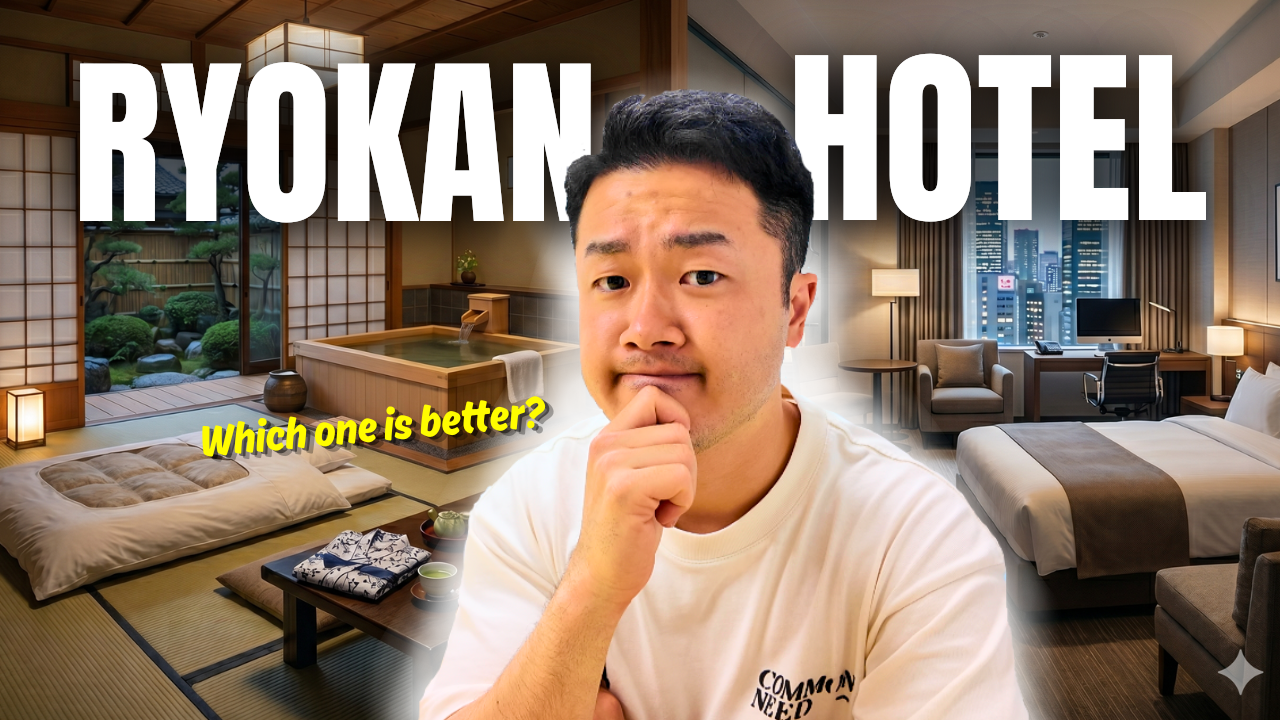
When you come to Japan, where would you stay?
A ryokan? Or a hotel?
In Japan, rest is not just about sleeping. You can stay at a traditional inn, sleep inside a tiny capsule, soak in a hot spring, or even get your head washed like your brain is on vacation.
But are these experiences amazing? Some people say,
“Ryokan has a lot of quiet rules?”
“Onsen is public naked panic?”
Is it True or not?
Today, we are talking about something that guidebooks often do not explain well. And if you have already traveled to Japan, what would you recommend to first-time visitors? Let us know in the comments!
Alright, let’s get started.
Ryokan
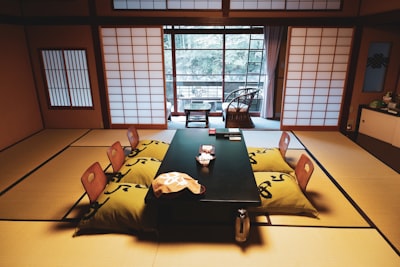
A ryokan is a traditional Japanese inn. This is probably the place many people imagine when they think of “old Japan.”
Tatami floors.
Futon beds.
A yukata robe.
A beautiful dinner.
A quiet room.
Maybe a garden outside.
Maybe a hot spring bath too.
If you want the classic “I am really in Japan” feeling, a ryokan can give you that fast. And honestly, when it’s good, it feels very special. It is not just a room. It feels more like a full experience.
You take off your shoes. You slow down. You stop rushing. Dinner comes in many small dishes. Breakfast feels like a cultural event.
And suddenly, your trip feels less like “checking places off a list” and more like actually being in Japan. But now let’s talk about the part people do not always say out loud.
A ryokan is not always the easiest place for every traveler.
First, it can feel a little formal. Not scary. But formal.
There may be set times for check-in, dinner, or breakfast. You may feel like there is a “correct way” to do things, like Shoes off here, Slippers here, no slippers there, Bath first, Dinner now, Quiet voice, please. For some people, that structure feels calm. For other people, it feels like homework.
Second, the room itself may be beautiful, but not always super practical.
If you love soft Western beds, the futon may feel harder than you expect. If you have a huge suitcase, tatami floors are not always fun.
And if you are the kind of traveler who likes to eat whenever you want, go out late, and come back at midnight, the rhythm of a ryokan may not fit you well.
Third, food can be a huge plus… or a challenge.
A ryokan meal is often one of the best parts. But it is usually very Japanese. A lot of small dishes. Seasonal food. Fish. Pickles. Textures you may not know.
Some people say, “This was one of the best meals of my life.”
Other people say, “I was polite… but I needed a convenience store after.”
So here is my personal take. For most travelers, Japan is not just one stop. You will probably move between cities: Tokyo, Kyoto, Osaka, maybe more.
And because of that, I do not think a ryokan has to be your main style of stay for the whole trip. Personally, I think a ryokan works best when you go somewhere quieter, somewhere with nature, somewhere slower. A place where you can really enjoy the calm. So instead of staying in ryokan after ryokan after ryokan, I think the better move is this:
Use regular hotels for most of your trip, and then stay at a ryokan for a couple of nights in a peaceful place.
That way, it feels special. It becomes a break in your trip. Not just another place to sleep.
If you want famous and popular ryokan areas, many travelers look at places like Hakone, Kyoto, or Kinosaki Onsen.
These places are well known because they mix beautiful scenery, traditional inns, and that slower Japanese mood people are hoping to find.
So, is a ryokan worth it?
Yes.
But not because it is always the most convenient place. It is worth it because it gives you a kind of quiet, old-style Japan that normal hotels usually cannot.
Capsule Hotels
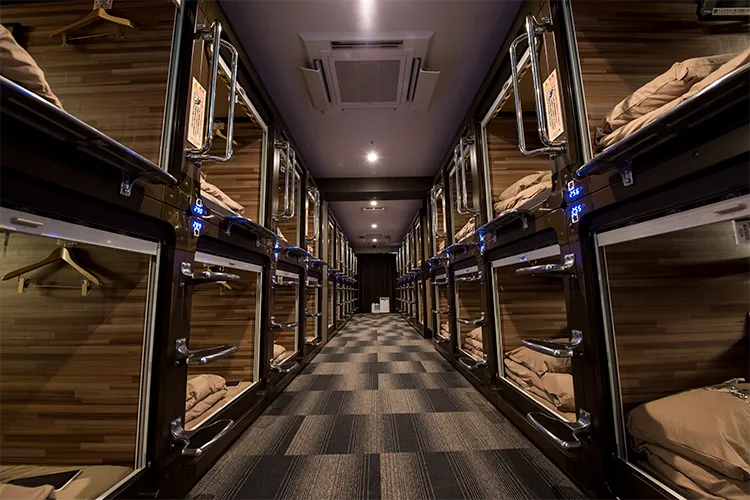
Now let’s go from peaceful tradition… to sleeping in a tiny space pod.
A capsule hotel is exactly what it sounds like. Instead of a normal room, you get a small sleeping pod. It’s like a hostel. Usually just big enough for a bed, a light, maybe a plug, maybe a small shelf, and not much else.
Bathrooms are shared.
Showers are shared.
Your luggage usually goes in a locker or another storage area.
So if you hate small spaces, this may not be fun.
If you are a light sleeper, this may not be fun.
If the person near you decides to open ten plastic bags at 2 a.m., this may really not be fun.
So is this worthless?
I don’t think so.
There is a famous capsule hotel called
“Anshin Oyado,” which is generally located in the city center.
Anshin oyado is a luxury capsule hotel chain with 6 locations in Tokyo
(Shinjuku, Akihabara, Shimbashi, Ginza Shiodome, Ogikubo) and Nagoya (Sakae).
All locations are conveniently located within a 4-minute walk from the nearest station, and guests can stay for up to 27 hours, from check-in at 12:00 to check-out at 15:00 the following day.
The amazing thing is, there are over 200 complimentary services are included in the room rate. Like artificial hot springs, saunas, breakfast curry, late-night ramen, and free drinks. In addition to overnight stays.
You can also use the sauna and hot springs for day trips, or for groups or corporations of 10 or more. They say they guarantee the lowest price when booking through thier official website.
So here is my personal take.
I think capsule hotels are not something you need to do many nights in a row. But in the right moment, they are perfect. If you have an early train, an early flight, a late arrival, or you just want to save money for one night, capsule hotels make a lot of sense. Pick the right moment, and they can be great.
Besides Anshin Oyado, If you want famous options, many travelers know places like Nine Hours and First Cabin.
So yes, capsule hotels are real. Yes, they are tiny. And yes, for one or two nights, they can actually be a lot of fun.
🗺️ Need Turnkey Routes & 1-Tap Google Maps Pins?
Check out our complete 119-page handbook crafted by a Tokyo native—featuring 5-day itineraries and offline navigation.
See What’s Inside the Guidebook →Onsen and Sauna
Now let’s talk about the big one.
Onsen.
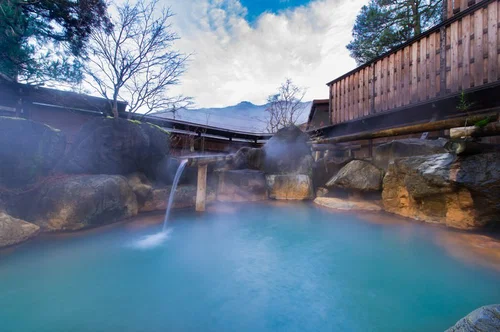
For many people, this is one of the most famous relaxation experiences in Japan. An onsen is a hot spring bath. Japan has a lot of them because of its volcanic land, and people come to onsen towns to relax, soak, eat, sleep, and slow down.
And when people imagine peaceful Japan, this is often the picture:
Steam in the air.
Mountains in the background.
Hot water.
No rush.
No phone.
No stress.
And yes, onsen can absolutely be that good. But now let’s say the part every first-timer is thinking:
“Yes, but… I have to get naked, right?”
Usually, yes.
That is one of the biggest reasons onsen feels hard for some visitors. In most traditional public onsen, you bathe without clothes. Men and women are usually in separate areas. And before you get in, you have to wash your body first. That is very important.
You do not just walk in and jump into the bath. You wash first. Rinse well. Tie up long hair. Keep your small towel out of the water. And keep your voice low. Also, do not bring your phone into the bath area. This is a privacy thing, and also just basic good manners.
Now let’s talk about the other big issue: tattoos.
Some onsen in Japan still do not allow tattoos. This is changing slowly, but it is still something you need to check before you go. And this is exactly why some travelers feel nervous. Not because onsen is bad, but because onsen has rules, and first-timers do not want to mess it up.
The good news is this: You still have options.
Some places are tattoo-friendly.
Some offer private baths.
And some onsen towns are much easier for foreign visitors than people think.
A great example is Kinosaki Onsen, where all seven public bathhouses allow tattoos. That makes it one of the easiest famous onsen towns for travelers who do not want to stress about that issue.
Another good area is Beppu in Oita, where there are many tattoo-friendly hot spring options.
So if you have tattoos or if public bathing makes you nervous, do not give up on the idea right away. You may just need the right place.
Now, what about Sauna?
Sauna culture has grown a lot in Japan. And many people love the full routine: hot sauna, cold bath, then sitting quietly and letting your body reset. Some people swear by it. They come out looking like they just understood the meaning of life.
But again, this is personal.
Not everyone likes very hot rooms.
Not everyone enjoys cold plunges.
And if that sounds like punishment instead of relaxation, that is okay.
My personal opinion?
The simple act of soaking in a tub is already unusual for many visitors, so I think onsen is one of the most divided experiences on this list. Some people try it once and become obsessed. Some people spend the whole time thinking, “I am too aware of my own body for this.” Still, I really think it is worth trying at least once.
Especially now that there are more places with tattoo-friendly rules, private baths, and better support for international visitors.
If you want famous onsen places, many travelers look at Hakone, Kusatsu, Kinosaki Onsen, Beppu, or scenic towns like Ginzan Onsen.
So is onsen relaxing? For many people, yes.
But for others, the first five minutes feel less like peace… and more like a full-body social challenge. And honestly, that is part of why people love talking about it after.
Head Spa and Ear Cleaning
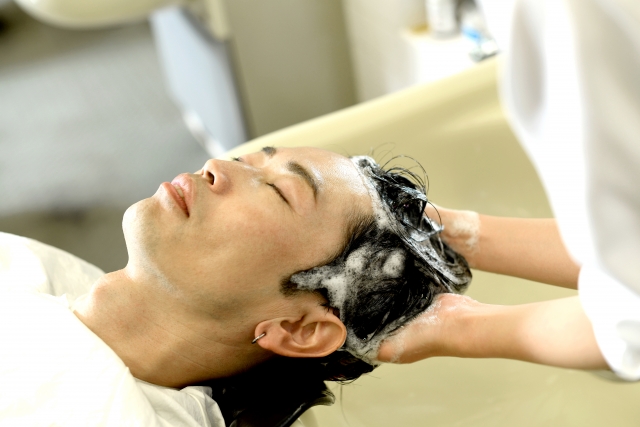
Now for the last category, and maybe the most “Wait, this is a thing?” part of the list:
head spa.
A Japanese head spa is not just about washing your hair. It is a full relaxation treatment for your scalp, head, neck, and sometimes even your face. A typical session can include a scalp check, deep cleaning, steam, massage, and a long, slow hair wash that makes you forget what day it is.
Some people love it because it feels amazing. Some people love it because their scalp and hair feel better after. And some people book one because they walked around Tokyo for six days and their brains are cooked.
The reason head spas stand out in Japan is the level of care. It is detailed. It is gentle. It is quiet. And when it is done well, it feels less like beauty care and more like your whole head got a reset button. That said, this is not always a must-do for every traveler.
First, it can be expensive.
Second, popular places may need advance booking.
And third, if your trip is short, you may not want to spend a big block of time indoors while amazing food and sightseeing are waiting outside.
So here is my honest take.
If you do not have much time in Japan, I would probably tell you to spend more time on food, walking around, and seeing places.
But if you are staying longer, or if your trip is already packed and your body is tired, a head spa can be a really nice treat.
It is the kind of thing you may not plan as a “must-do,” but once you try it, you might think, “Okay… I get why people love this.”
And then there is ear cleaning.
Yes, this is also a thing in Japan. And yes, to some people, it sounds either relaxing… or deeply strange. Ear cleaning salons are usually more niche than head spas, but they do exist, especially in big cities like Tokyo.
For some people, it feels calming and oddly satisfying.
For others, just the idea makes them want to run away.
So I would put ear cleaning in the “very optional, very personal” category.
Interesting? Yes.
Necessary? No.
Memorable? Absolutely.
If you want popular places to look up, travelers often check out salons like The Head Spa Tokyo or Spa Kuu for head spa experiences, and places like Un Rigueur in Shinjuku for ear cleaning and relaxation services.
So overall, I would say this:
Head spa is great for longer stays, tired travelers, or people who want a different kind of wellness experience. Ear cleaning is more of a curious extra. Not for everyone. But very Japan.
So, which rest experience in Japan is best? Honestly, it depends on what kind of traveler you are.
Which one fits your trip best?
That’s it for today. If you have already been to Japan, what was your favorite rest experience? Was it a ryokan? An onsen? A capsule hotel? A head spa? Or maybe something surprised you for better… or worse.
Please tell us in the comments, because your experience can really help first-time travelers.
Thank you for reading until the end!!


Comments