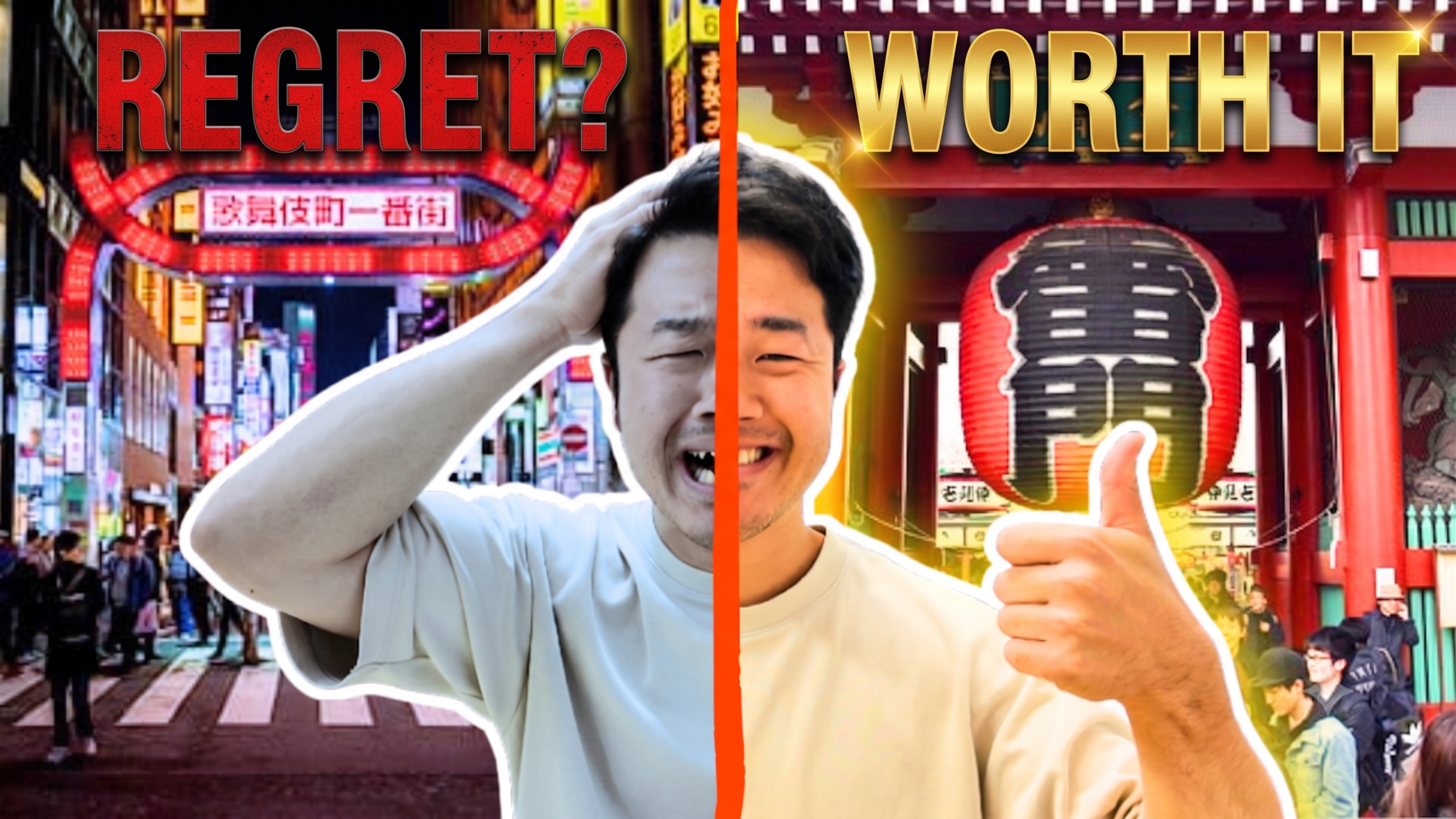
When landing in Tokyo for the first time, your earliest strategic decision begins right at the airport baggage claim: Where should you set up your home base?
For most travelers, the debate immediately boils down to two legendary neighborhoods: Shinjuku or Asakusa.
If you consult social media or mainstream travel forums, almost everyone will tell you that Shinjuku is the default king of Tokyo. But from a Tokyo native’s perspective, picking Shinjuku as your very first landing hub is often a costly mistake that leads to unnecessary transit stress, disorientation, and jet-lag fatigue.
If you want a seamless, practical, and truly comfortable start to your Japan journey, Asakusa is the superior first travel hub. Here is the breakdown of why Asakusa takes the crown for arrivals, where Shinjuku falls short, and the optimal split-stay strategy to conquer both sides of Tokyo.
Why Asakusa Takes the Crown for Day One
Frictionless Direct Airport Connections
Your first hours in Japan should be about smooth transit, not wrestling heavy suitcases through packed commuter stations.
- Haneda Airport (HND): Board the Keikyu Airport Line (which connects directly into the Toei Asakusa Line), and you can ride straight into Asakusa without transferring trains a single time.
- Narita Airport (NRT): Hop onto the Keisei Access Express, and you will arrive directly in Asakusa with zero line changes.
- The Shinjuku Contrast: Reaching Shinjuku from Narita requires either paying for the premium Narita Express or navigating crowded station transfers at major junctions like Nippori or Tokyo Station with full luggage.
High-Speed Gateway to Eastern Tokyo & the Shinkansen
Many first-timers assume Shinjuku sits in the geographical center of everything. In reality, Tokyo’s transit grid is decentralized, and Asakusa is the premier gateway to eastern Tokyo’s best cultural corridors.
- Direct Neighborhood Access: Short subway rides put you right in Ginza, Akihabara, Ueno, Tsukiji, and the Toyosu fish market.
- Bullet Train Departures: If you plan to head south to Kyoto or Osaka on the Tokaido Shinkansen, Tokyo Station is just a short hop away. If you are taking the Hokuriku or Tohoku Shinkansen north toward Nagano, Kanazawa, or Sendai, Ueno Station is literally a 5-minute direct train ride.
A Historic Downtown Neighborhood at Your Doorstep
Beyond being a transit hub, Asakusa offers an immersive cultural atmosphere right outside your hotel lobby. It represents Tokyo’s classic shitamachi (historic downtown) charm.
- Historic Landmarks: Iconic sites like Senso-ji Temple, Nakamise shopping street, Hanayashiki (Japan’s oldest amusement park), and traditional geisha districts are all within easy walking distance.
- Riverfront Views & Kuramae: Take peaceful morning strolls along the Sumida River with sweeping views of Tokyo Skytree, or walk five minutes south into Kuramae—a calm, design-forward neighborhood filled with independent specialty coffee roasters and artisan workshops.
- Local Culinary Depth: Asakusa is famous for authentic Edo-style tempura, unagi, sukiyaki, and historic sushi joints dating back generations.
- Local Recommendation: Make time for Menya Jojo (麺屋上々). They specialize in duck ramen. Order the Special Duck Ramen brothless style (shirunashi) paired with their roasted duck rice bowl (kamo-roast don) for an incredible neighborhood meal.
🗺️ Need Turnkey Routes & 1-Tap Google Maps Pins?
Check out our complete 119-page handbook crafted by a Tokyo native—featuring 5-day itineraries and offline navigation.
See What’s Inside the Guidebook →Real Trade-offs: What to Know Before Booking Asakusa
While Asakusa is a fantastic launchpad, it does present a few practical limitations depending on your travel style:
- The Streets Go to Sleep Early: Unlike western Tokyo’s neon corridors, traditional stalls on Nakamise Street close down around 5:00 PM. While casual drinking spots along Hoppy Street remain lively, most neighborhood retail winds down by 10:00 PM. If you are looking for late-night clubbing until sunrise, Asakusa will feel quiet.
- Commute Distance to West Tokyo: Traveling from Asakusa across town to Shibuya or Harajuku takes roughly 30 to 40 minutes on the subway. Bouncing back and forth multiple times a day will chew into sightseeing time.
- Morning Peak Crowds: While Asakusa is the terminal station for the Tokyo Metro Ginza Line (allowing you to grab a seat easily on departure), taking trains between 8:00 AM and 9:30 AM means riding through intense commuter rush hour.
- Photo Hack: To photograph Senso-ji Temple without massive crowds, visit at 6:00 AM at sunrise, or stroll the illuminated grounds after 9:30 PM. The temple grounds remain open 24/7.
The Case for Shinjuku: When and Why It Shines
Shinjuku is a premier commercial powerhouse with distinct advantages for specific phases of your trip:
- Round-the-Clock Nightlife: From the atmospheric red lanterns of Omoide Yokocho to the tiny multi-level drinking establishments of Golden Gai, Shinjuku is built for late-night entertainment without worrying about catching the final train.
- The Prime Hub for Mount Fuji & Nature Escapes: Catch the Odakyu Romancecar straight to the hot spring resorts of Hakone, or walk into Basta Shinjuku (the expressway bus terminal) for express coaches directly to Lake Kawaguchiko and Mount Fuji.
- West-Side Proximity: You sit just 5 minutes from Shibuya and Harajuku, with swift rail connections to pop-culture hubs like Nakano Broadway and the nightlife alleys of Kichijoji.
The Hidden Pitfalls of Shinjuku
Despite its perks, choosing Shinjuku as your day-one hotel base brings notable challenges:
The Shinjuku Station Labyrinth
Shinjuku Station holds the Guinness World Record as the busiest transit terminal on earth, handling over 3.5 million commuters daily across more than 200 exits and multiple competing railway operators.
Navigating its subterranean levels with large luggage can cause standard phone GPS apps to lose accuracy across stacked underground tiers. Taking the East Exit instead of the West Exit can cost you 30 minutes of walking through dense crowds just to re-orient yourself.
High Transit Friction from Narita
Unless you book the direct Narita Express, reaching Shinjuku with luggage involves crowded transfers. Furthermore, if your long-haul flight lands late and you miss the final train departures, taking a taxi from Narita Airport all the way across Tokyo to Shinjuku will run significantly higher in fare compared to staying on the eastern side in Asakusa.
Nightlife Intensity in Kabukicho
While Tokyo remains remarkably safe overall, eastern Shinjuku’s nightlife core around Kabukicho can be overwhelming for jet-lagged travelers. At late hours, streets are packed with touts, nightlife crowds, and street clutter. For families with young children or visitors seeking a serene, restorative introduction to Japan, the environment can prove jarring.
The Optimal Strategy: The Split-Stay Blueprint
Instead of treating the decision as an “either/or” dilemma, the most efficient way to conquer Tokyo is to split your stay across both hubs:
- Days 1–3 (Base: Asakusa): Enjoy a frictionless airport arrival, overcome your jet lag in a historic neighborhood, and explore eastern hubs like Ueno, Akihabara, Ginza, and Tsukiji.
- Days 4–5+ (Base: Shinjuku): Shift your accommodations west. Tackle Shibuya, Harajuku, Omotesando, Golden Gai nightlife, and day trips out to Mount Fuji or Hakone hands-free.
Where are you planning to stay on your upcoming visit to Tokyo? Leave your thoughts and questions in the comments below!


Comments